Maldives Adopts Advanced Nucleic Acid Testing to Enhance Blood Transfusion Safety
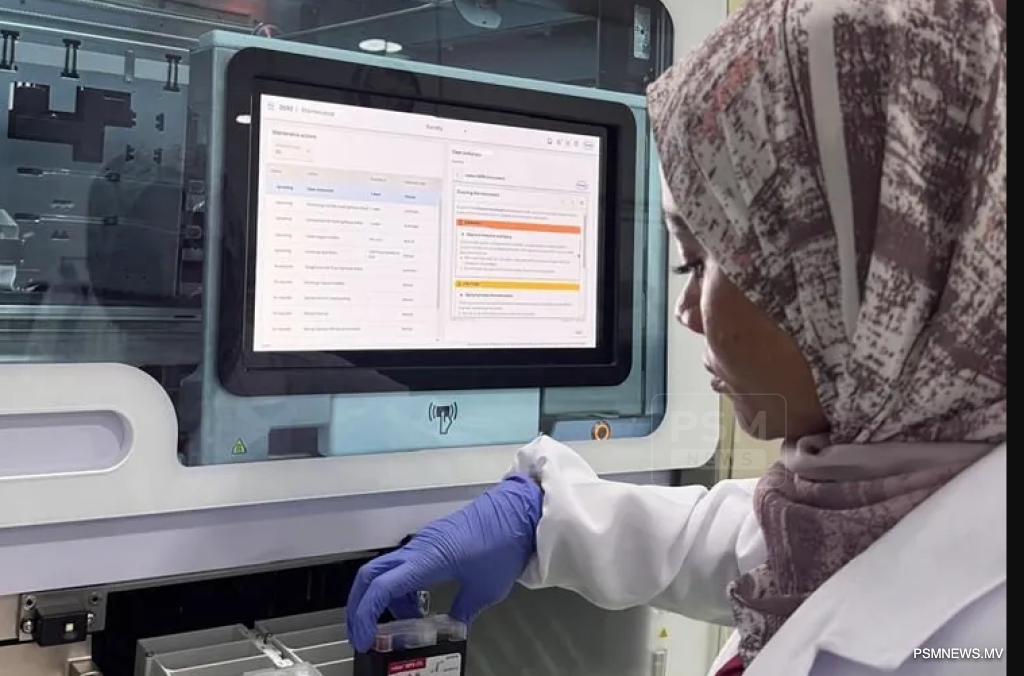
The Maldives has introduced nucleic acid testing (NAT) to detect blood-borne infections at an earlier stage, significantly strengthening the safety and reliability of national blood transfusion services.
This advanced technology allows health professionals to identify critical infections, including HIV, Hepatitis B, and Hepatitis C, in donated blood far sooner than conventional testing methods. By reducing the 'window period'—the time between initial infection and when a test can detect it—the new system minimizes the risk of transmitting diseases through blood transfusions.
Ibrahim Abdul Razzaq Haleem, the Chief Executive Officer of the Malé City Group of Hospitals, described the launch of this service as a vital national milestone. He noted that the transition to NAT aligns Maldivian blood services with international medical standards, ensuring that the healthcare system provides the highest level of safety for patients.
According to CEO Haleem, the initiative directly supports the healthcare policies and pledges of President Dr Mohamed Muizzu, who has prioritized the modernization of the health sector and the improvement of public service quality.
Beyond immediate safety improvements, the introduction of this technology is a strategic step toward achieving the objectives outlined in the Maldives Thalassaemia Master Plan 2024–2034. By modernizing the screening process, the state aims to create a more robust infrastructure for patients requiring regular transfusions, such as those managing thalassaemia, ensuring their long-term health and safety through more precise diagnostic capabilities.