Maldives Advances ISLET Project to Curb Emissions and Improve Air Quality
The Maldives is making significant strides in combating air pollution through the Integrated Sustainable Low Emission Transport (ISLET) project, aiming to reduce the health risks associated with vehicle emissions across the archipelago.
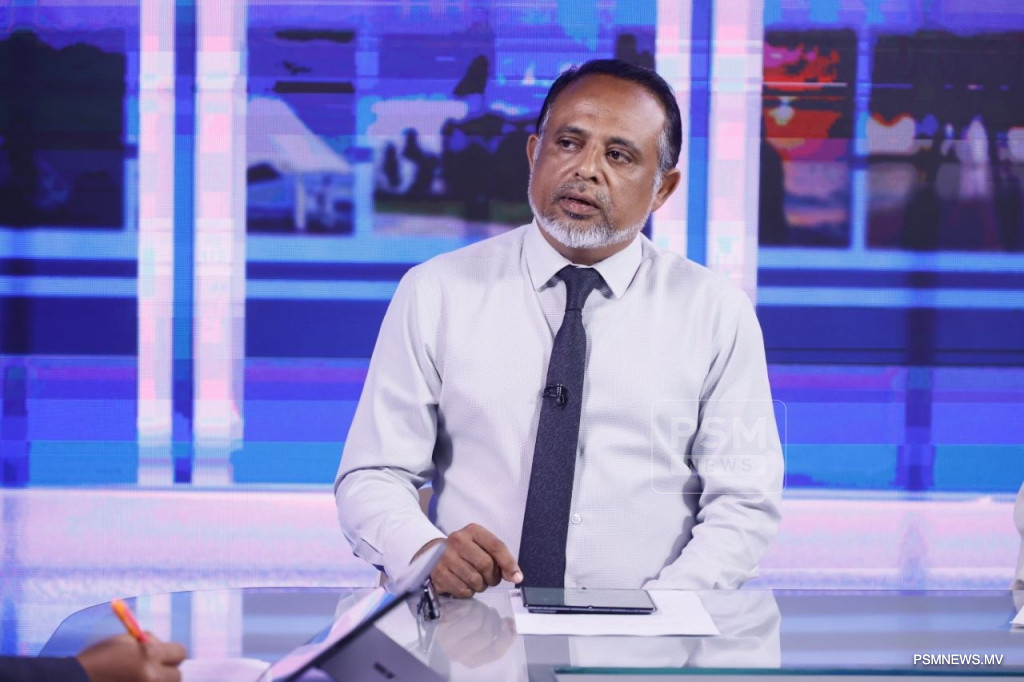
Minister of State for Climate Change, Environment and Energy, Mohamed Faiz, announced that the initiative is already yielding achievements in improving air quality. He warned that vehicle exhaust contributes disproportionately to respiratory and cardiovascular health problems among residents, making the monitoring and improvement of air quality a priority for community well-being.
Funded by the Global Environment Facility (GEF) and implemented with technical support from the United Nations Environment Programme (UNEP), ISLET specifically targets the transport sector. This sector remains a critical source of emissions on the Maldives' small, densely populated islands where vehicle traffic is concentrated.
The project's core objectives include establishing a comprehensive legal and regulatory framework for electric vehicles (EVs) and developing a National E-Mobility Roadmap. A key component of this strategy is the deployment of a nationwide network of charging stations to support the transition away from internal combustion engines.
Current progress includes the procurement and testing of electric vehicles and charging infrastructure. Simultaneously, training sessions are being conducted for policymakers, engineers, and relevant sector institutions to ensure the sustainable integration of these technologies.
Once complete, these technical standards will be embedded into official Ministry regulations. The government also plans to arrange financing mechanisms to make eco-friendly vehicles more accessible to private buyers. To maximize environmental benefits, the charging infrastructure will be paired with solar power systems, ensuring that the electricity used to power the fleet is as clean as the vehicles themselves.