Maldives Aims for Global Standard in Migrant Labour Management Reform
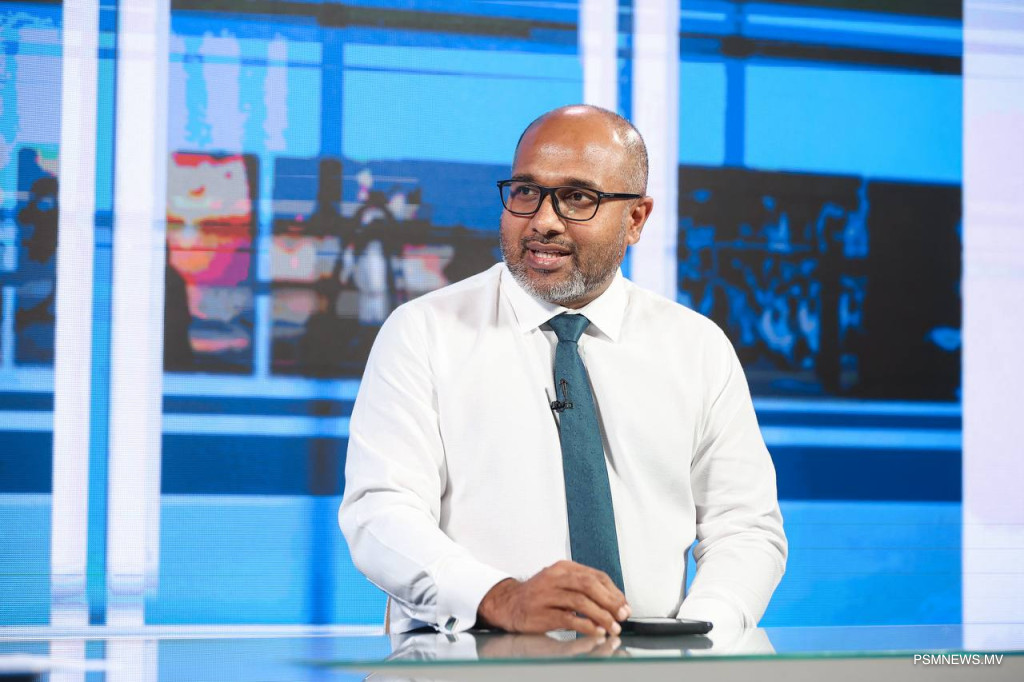
The Maldives is implementing an expansive reform of its migrant workforce management to align with top international standards by the end of the current presidential term. Minister of Homeland Security, Labour and Technology Ali Ihusaan stated that the government aims to establish the nation as a premier global example of ethical labour management, citing benchmarks from Singapore and Dubai.
A central pillar of this strategy is the systematic identification and deportation of undocumented workers. Through the third phase of ‘Operation Kurangi,’ authorities are working to ensure all undocumented individuals are deported before November 17. Minister Ihusaan revealed that the Maldives has already reduced its undocumented rate to 2 percent, with a final target of 1 percent.
Addressing systemic failures, the Minister noted that the current administration inherited a chaotic system where the identities of approximately 300,000 workers were unknown. To rectify this, the government launched a biometric registration programme. As of May 1, data has been captured from 98 percent of the target population, which will now form a centralized national registry to combat illegal immigration.
The administration is also moving to dismantle a recruitment system described as being in a "dangerous state of operation" marked by widespread abuse. Investigations found that some migrant workers paid illicit fees ranging from USD 3,000 to USD 15,000 to secure entry into the country.
To prevent further exploitation, the government is drafting legislative amendments to reinstate official recruitment agencies and mandate independent audits. A critical new regulation will limit recruitment fees to a maximum of one month’s salary. Minister Ihusaan emphasized that importing labour through any channel other than accredited agents must be completely terminated to ensure strict legal accountability and protect workers from illicit practices.