Maldives and China Launch Blue Economy Training to Boost Fisheries Sector
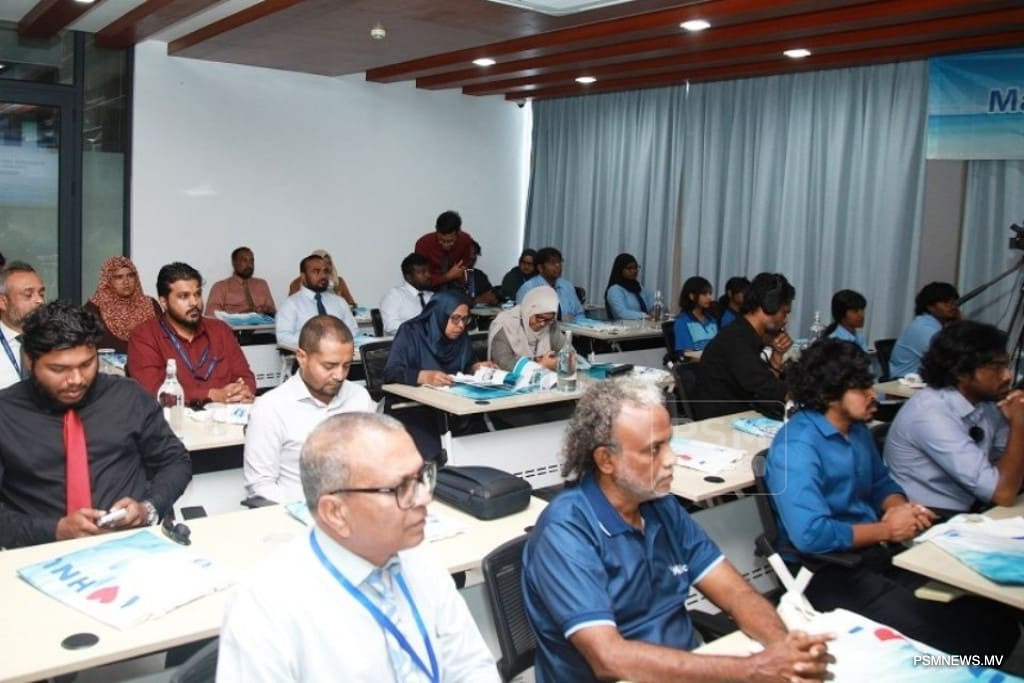
The Maldives and China have launched a specialized technical workshop focused on fisheries and the utilization of marine resources, marking a significant step in advancing the nation's blue economy. Organized in collaboration with Hainan University of China and the Ministry of Fisheries, Agriculture and Ocean Resources, the two-day program aims to modernize fishing practices and protect aquatic ecosystems.
More than 50 participants, including representatives from the Maldives Marine Research Institute, Maldives National University, and the Maldives Industrial Fisheries Company (MIFCO), are attending the sessions. The curriculum focuses on the maintenance of critical fishing equipment and strategies for preserving marine life amidst the escalating threats of climate change. Technical experts from Hainan University are leading sessions on tropical aquaculture and the restoration of damaged coral reefs.
Speaking at the opening ceremony, Fisheries Minister Ahmed Shiyam emphasized that developing the blue economy is a key priority for President Dr Mohamed Muizzu. He noted that the workshop is a direct outcome of Memorandums of Understanding (MOUs) signed during the President's state visit to China, designed to strengthen bilateral ties and enhance industrial capacity.
Chinese Ambassador Kong Xianhua reaffirmed China's commitment to supporting the Maldivian fishing industry. He stated that China is prepared to share cutting-edge research and assist the Maldives in broadening the international markets for its fish products. Ambassador Kong highlighted that these initiatives are intended to increase the overall share of the fisheries sector within the national economy.
Beyond the classroom, the partnership will extend to field research. Experts from Hainan University are scheduled to conduct mariculture research at Maniyafushi in Kaafu Atoll. This initiative falls under the Comprehensive Strategic Cooperative Partnership (2024-2028), ensuring that theoretical training is matched with practical, site-specific scientific data to benefit the local environment and economy.