Maldives Celebrates 54 Years of Tourism From Single Resort to Global Icon
The Maldives marks National Tourism Day today, celebrating 54 years since the industry's inception transformed the archipelago into the world’s premier luxury destination. The annual milestone commemorates October 3, 1972, the day Vihamanaafushi—now known as Kurumba Maldives—opened as the nation's first resort with just 30 rooms and 60 beds.
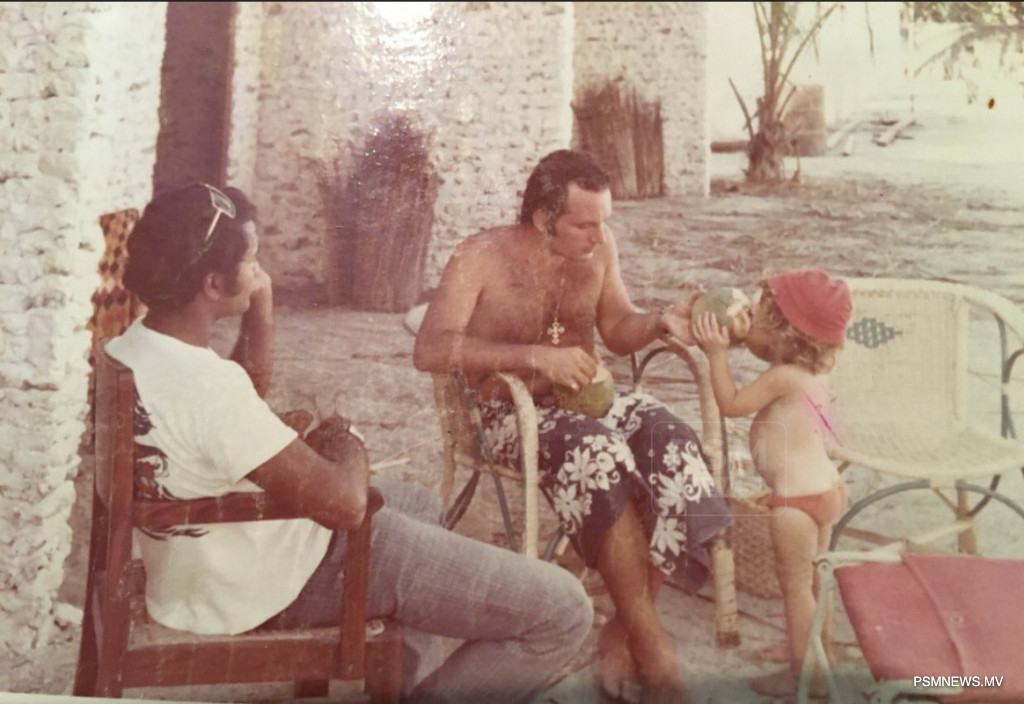
The birth of Maldivian tourism was once viewed as an improbable dream, with many doubting that the country's remote geography could support a sustainable travel industry. This skepticism vanished following the arrival of Italian visitor George Corbin in February 1972. Supported by the vision of pioneers such as Mohamed Umar Maniku, Hussain Afeef, and Kerafa Naseem, Corbin's visit and the subsequent positive reports from accompanying Italian journalists sparked the international interest that ignited a tourism revolution.
Over five decades, the sector has seen meteoric growth, evolving from a handful of beds to a massive infrastructure of over 1,280 tourist facilities. This current network includes 179 luxury resorts, 920 guesthouses, and 165 safari vessels, providing a total capacity of nearly 68,000 beds. The scale of this success is reflected in the numbers: the Maldives welcomed 2.2 million visitors last year and has been named the "World’s Leading Destination" for seven consecutive years.
Tourism serves as the critical backbone of the Maldivian economy, contributing 28 percent of the national GDP and acting as the primary source of foreign currency. This economic reliance underscores the importance of the industry not just for luxury operators, but for the stability of the entire nation.
Moving forward, the government is prioritizing a decentralized approach to tourism. By expanding development across the archipelago, the state aims to ensure that the economic benefits of the industry reach more local communities while promoting the authentic culture and untapped natural beauty of the various islands to a global audience.