Maldives Extends Nursing Breaks to Two Years to Boost Maternal Health
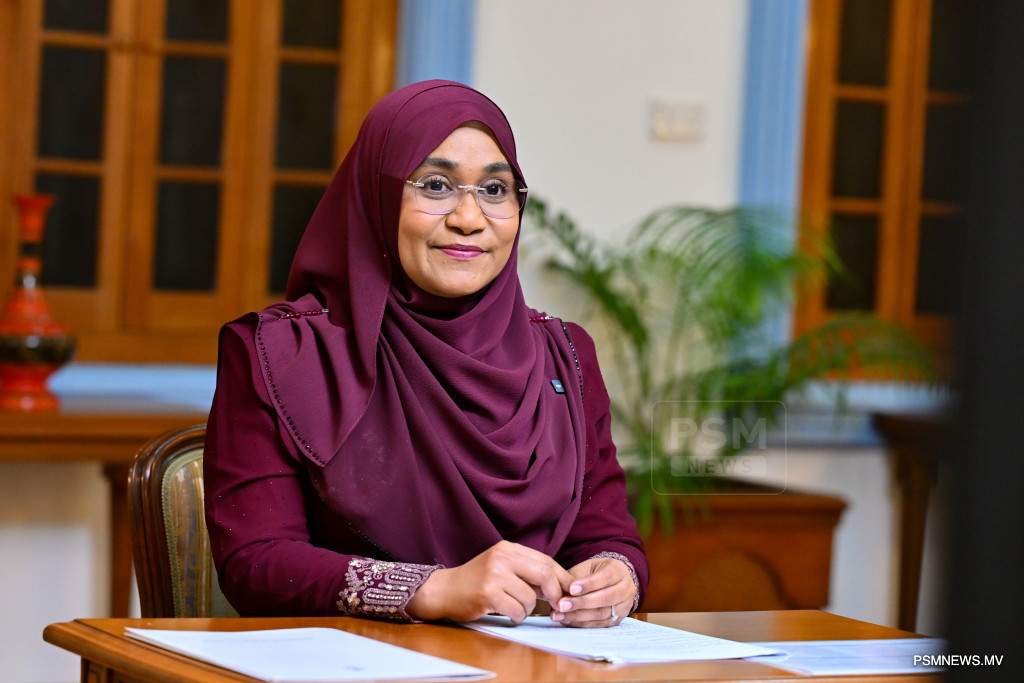
The Maldives has made significant strides in safeguarding the health and wellbeing of mothers and children over the last two years, according to First Lady Sajidha Mohamed. Marking World Breastfeeding Week, the First Lady highlighted critical policy shifts designed to support working mothers and ensure children receive a healthy start in life.
Central to these improvements is a recent amendment to the Employment Act, which doubles the duration of paid nursing breaks for working mothers. Previously available for only one year following childbirth, mothers are now entitled to two paid 30-minute nursing breaks per working day for up to two years. This extension aims to remove barriers for women returning to the workforce while prioritizing the nutritional and emotional needs of the child.
In addition to the extended nursing breaks, the First Lady noted that current legislation provides mothers with six months of paid maternity leave. She emphasized that these measures are not merely legal entitlements but essential tools for strengthening a child's immune system and fostering a lifelong bond between mother and child.
Addressing the societal aspect of maternal care, the First Lady stressed that supporting breastfeeding is a collective responsibility. She called upon families, employers, and the wider community to create an environment where mothers can fully utilize their government-mandated rights without professional or social penalty.
This year's World Breastfeeding Week, observed annually during the first week of August, carries the theme "Prioritise Breastfeeding: Create Sustainable Support Systems." In alignment with this global objective, the First Lady urged all stakeholders to renew their commitment to sustainable support structures that protect the health of the next generation.
By integrating these legislative protections with community support, the Maldives seeks to institutionalize maternal care, ensuring that the sacrifice and dedication of mothers are met with tangible structural support from the state and the private sector.