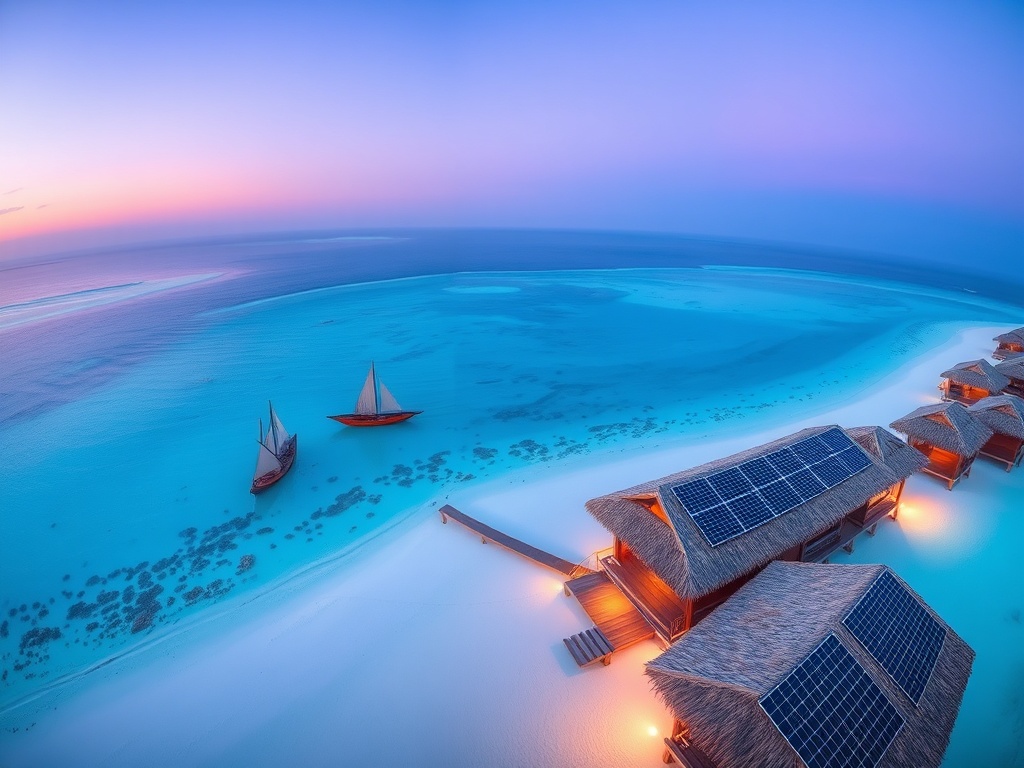
Maldives faces critical decisions on environmental sustainability and economic development
The Maldives, a nation of scattered islands in the Indian Ocean, confronts a fundamental dilemma that will shape its future. As one of the world's most vulnerable countries to climate change, with its highest point barely three meters above sea level, environmental sustainability isn't merely a policy choice but an existential necessity. The coral reefs that form the foundation of these islands support rich marine biodiversity while protecting coastlines from erosion and storm surges.
Simultaneously, the nation must address the economic aspirations of its people. Tourism, which accounts for nearly 30% of GDP, provides livelihoods but also places strain on limited resources and fragile ecosystems. The development of infrastructure, from airports to resorts, must balance immediate economic benefits against potential long-term environmental costs.
Fisheries, the second largest economic sector and a traditional way of life for many Maldivians, faces challenges from both climate change and economic pressures. Rising sea temperatures threaten fish stocks while market demands push for increased production. Finding sustainable fishing practices that preserve marine ecosystems while ensuring food security and income remains a critical challenge.
The decisions made today regarding environmental protection and economic development will reverberate for generations. Each policy choice, from waste management to coastal development, carries implications for the delicate balance between human needs and environmental preservation in this unique island nation.