Maldives Finalises National Ecosystem Map to Strengthen Climate Resilience Plans
Maldivian experts and international specialists have concluded a critical workshop in Australia to finalise the development of the Maldives' first national ecosystem map. The initiative aims to create a scientific and reliable representation of the archipelago's natural environment to guide future conservation efforts.
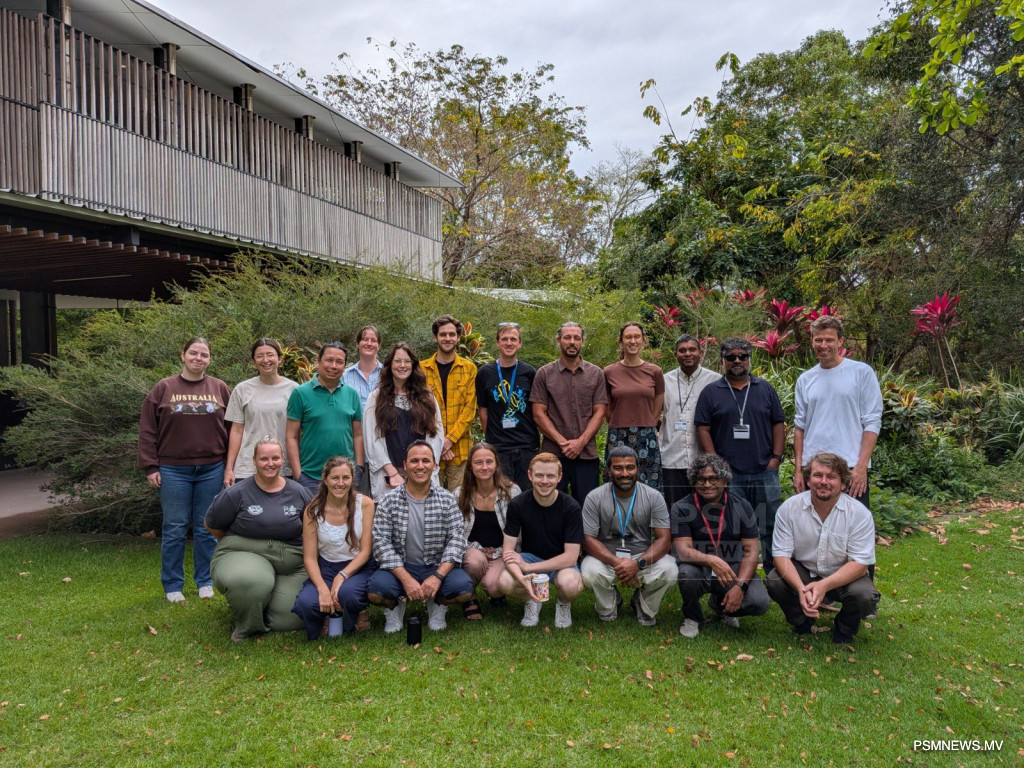
Organized by the Ministry of Climate Change, Environment and Energy and the Environmental Regulatory Authority (ERA), the 'Global Ecosystems Atlas Maldives Accelerator' workshop took place from September 22 to 24 at James Cook University in Townsville. The project is a collaborative effort involving the Group on Earth Observations (GEO) and the Global Ecology Lab at James Cook University's College of Science and Engineering.
During the three-day session, participants reviewed the latest iterations of the map, integrating specialized expertise on terrestrial ecosystems. To ensure the map remains relevant to local contexts, the team incorporated new data to improve accuracy and tailored the documentation to reflect the Dhivehi language and Maldivian cultural heritage.
The Ministry stated that the workshop concluded with a clear roadmap for documenting the collected data. Once finalized, the information will be shared with relevant stakeholders and made available to the general public to ensure transparency and accessibility.
This mapping project is expected to serve as a foundational tool for the government. By providing a precise visual and data-driven overview of the nation's biodiversity, the map will support the development of environmental protection plans and enhance the Maldives' ability to build resilience against climate change. Ultimately, the atlas will empower policymakers to make evidence-based decisions to protect the fragile island ecosystems from escalating environmental threats.