Maldives Generates 517,000 Tonnes of Annual Waste as New Legal Framework Launches
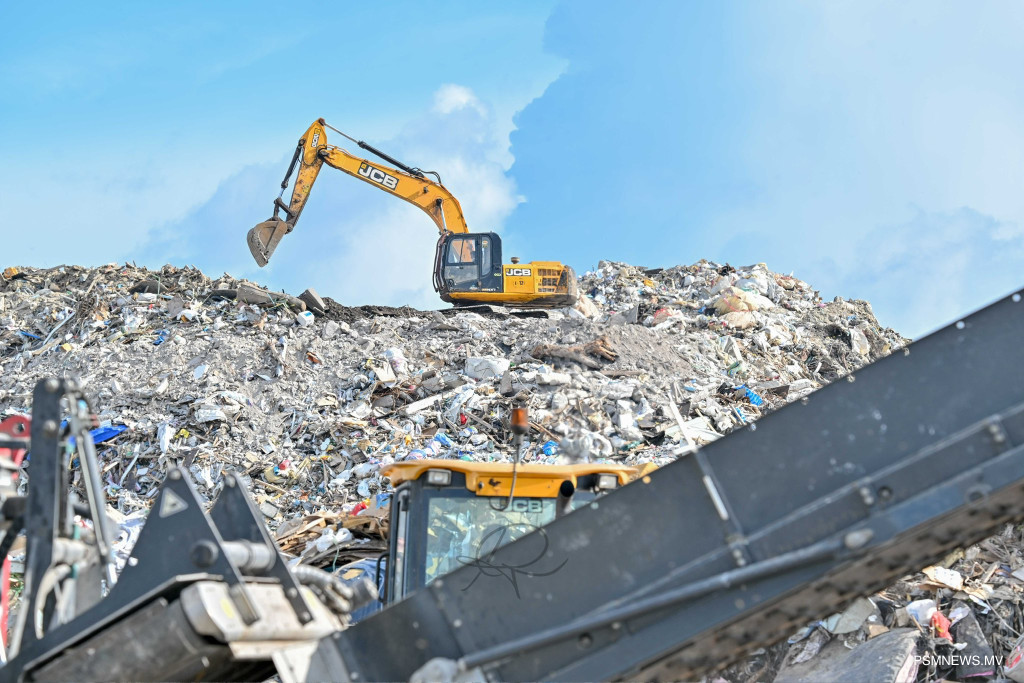
The Maldives generates more than 517,000 tonnes of waste annually, presenting a critical environmental challenge that the government is now addressing through a comprehensive new legal framework, according to the Ministry of Climate Change, Environment and Energy.
Speaking at a press conference on Tuesday, Ahmed Muruthala, the Director General of Waste Management and Pollution, highlighted the unique logistical hurdles facing the archipelago. He noted that the nation's geography necessitates a heavy reliance on land and marine transport, which consumes a significant portion of the national waste management budget.
Muruthala revealed that waste volumes continue to climb, with the tourism sector contributing a growing share of the total output. While the government has struggled to implement effective measures to reduce total waste generation, officials are now pivoting toward systemic legislative reform to close existing gaps in accountability.
To strengthen the system, the Ministry has developed a new legal framework introducing four pivotal regulations: the General Waste Management Regulation, the Waste Management Service Provision Regulation, the Single-Use Plastics Reduction Regulation, and the Extended Producer Responsibility (EPR) Regulation.
This legislation is designed to eliminate ambiguity regarding the roles of various state bodies. It clearly defines the specific responsibilities of local councils, the Ministry, the Environmental Protection Agency (EPA), and the Utility Regulatory Authority (URA), ensuring that each stakeholder is held accountable for their role in the waste stream.
Despite the scale of the challenge, officials pointed to small-scale successes as a blueprint for future progress. Muruthala cited the significant reduction in discarded plastic supari packets—once a common sight on streets across the country—as evidence that targeted reduction efforts can yield visible results.
By combining stricter regulatory oversight with a focus on reducing single-use plastics, the government aims to mitigate the environmental impact of its growing waste output and lower the prohibitive costs associated with transporting refuse across the atolls.