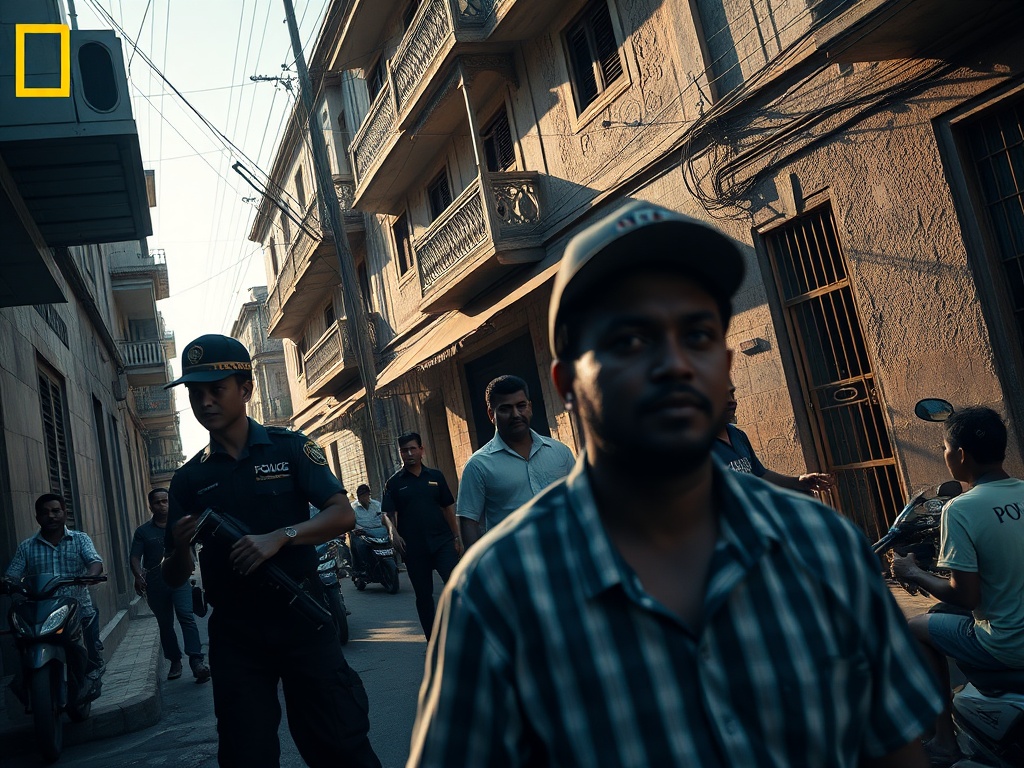
Maldives is sliding into a police state
The sentiment echoes across different conversations, from casual remarks to serious political commentary: the Maldives is becoming a police state. This isn't just one person's opinion but a collective observation emerging from recent events. When police officers attack peaceful protesters, dragging them to blind spots to beat them, the social contract fractures. The use of LRAD weapons on citizens—a technology described as a 'war weapon'—has left people suffering from ear pain, dizziness, and other symptoms, creating a climate of fear rather than security.
This pattern of intimidation extends beyond street protests. The comment about "police intimidation will not restore your credibility" captures the public's disillusionment with law enforcement institutions. People feel they're being watched, recorded, and remembered—not as citizens to be protected but as potential threats to be monitored. The feeling that "every action you take is being watched" reflects the psychological impact of living under heightened surveillance.
Meanwhile, the political landscape shows signs of manipulation and opportunism. Some note how political actors "fund both sides" and "sit in AC getting the paycheck" while maintaining connections across party lines. This perception of a political class that benefits regardless of who's in power, while ordinary citizens face police brutality, deepens the sense of systemic injustice. The comment about lacking "courage" to implement transparent systems like digital procurement speaks to deeper governance issues.
The contrast between official narratives and lived experience grows starker. While government announcements celebrate airport expansions and tourism partnerships, many Maldivians experience a different reality—one where speaking out about torture or abuse risks punishment. The feeling that "history has a way of catching up to those who abuse authority" suggests a belief that accountability, though delayed, will eventually come.
What emerges is a picture of a society grappling with the tension between development aspirations and democratic freedoms. The expansion of infrastructure projects doesn't necessarily translate to expanded rights. As one voice noted about the current administration: "they will not even understand what you are saying"—highlighting a perceived disconnect between rulers and the ruled. This isn't just about specific incidents but about the direction the country is taking, and many don't like what they see.