Maldives Launches $9.1M Public Works Initiative for 19 Islands, Creating 516 Jobs
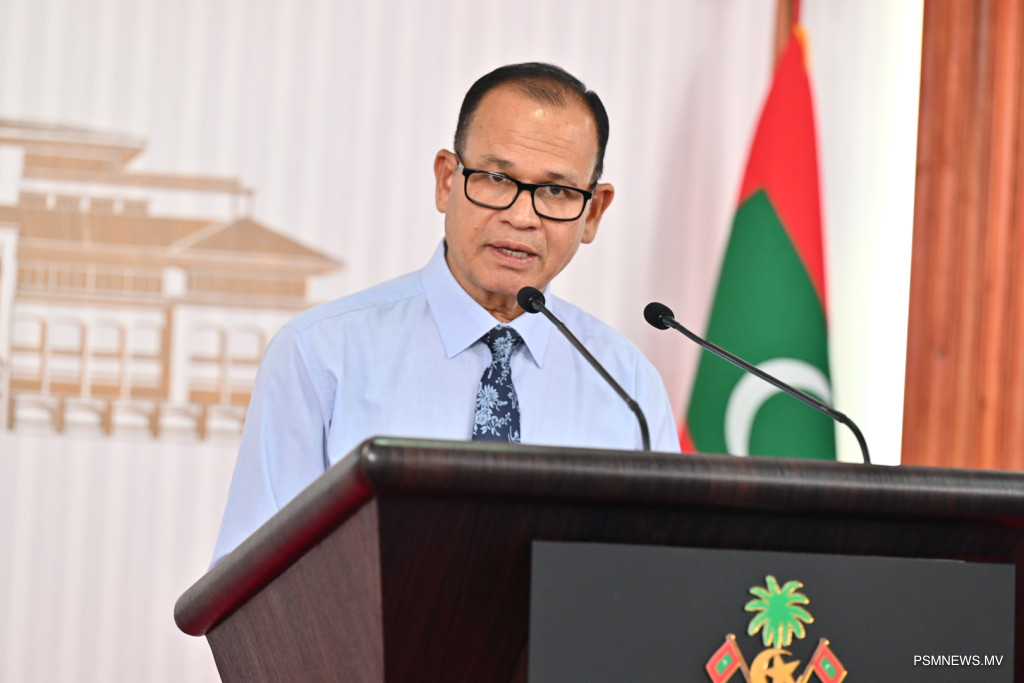
The Maldivian government has submitted a detailed $9.1 million financial proposal to establish Public Works Units across 19 islands, aiming to decentralize infrastructure maintenance and create over 500 jobs. Minister Adam Shareef Umar revealed that the proposal covers the complete cost of procuring necessary buildings, land, and a fleet of specialised machinery.
This initiative is designed to end the current, costly practice of transporting heavy equipment and technical personnel from the capital, Malé, for every island-based project. 'The administrative building and land for heavy vehicles and machinery have been arranged in the islands where the public work units will be established,' the Minister said.
The 19 islands were strategically selected to serve broader regions: Dhidhdhoo in Haa Alifu Atoll; Funadhoo and Milandhoo in Shaviyani Atoll; Manadhoo in Noonu Atoll; Maakurathu in Raa Atoll; Eydhafushi in Baa Atoll; Naifaru in Lhaviyani Atoll; Thulusdhoo in Kaafu Atoll; Rasdhoo in Alifu Alifu Atoll; Mahibadhoo and Maamigili in Alifu Dhaalu Atoll; Felidhoo in Vaavu Atoll; Muli in Meemu Atoll; Nilandhoo in Faafu Atoll; Kudahuvadhoo in Dhaalu Atoll; Veymandoo and Vilufushi in Thaa Atoll; Gan in Laamu Atoll; and Villingili in Gaafu Alifu Atoll.
Procurement for essential machinery has already begun, with equipment expected to arrive within two months. Each permanent unit will be equipped with nine types of machinery—an excavator, loader, grader, compactor, 15-ton dump truck, 10-ton dump truck, compressor, welding plant, and a trolley jack. Four additional mobile units will enhance flexibility and coverage.
Once fully operational, the 19 permanent units and four mobile units will create employment for 516 technical personnel. The Ministry of Finance and Planning has already granted permission to recruit the first 141 employees for this major national infrastructure project.
By localizing maintenance capabilities, the government anticipates significant cost savings and faster response times for public service repairs, improving efficiency across the archipelago.