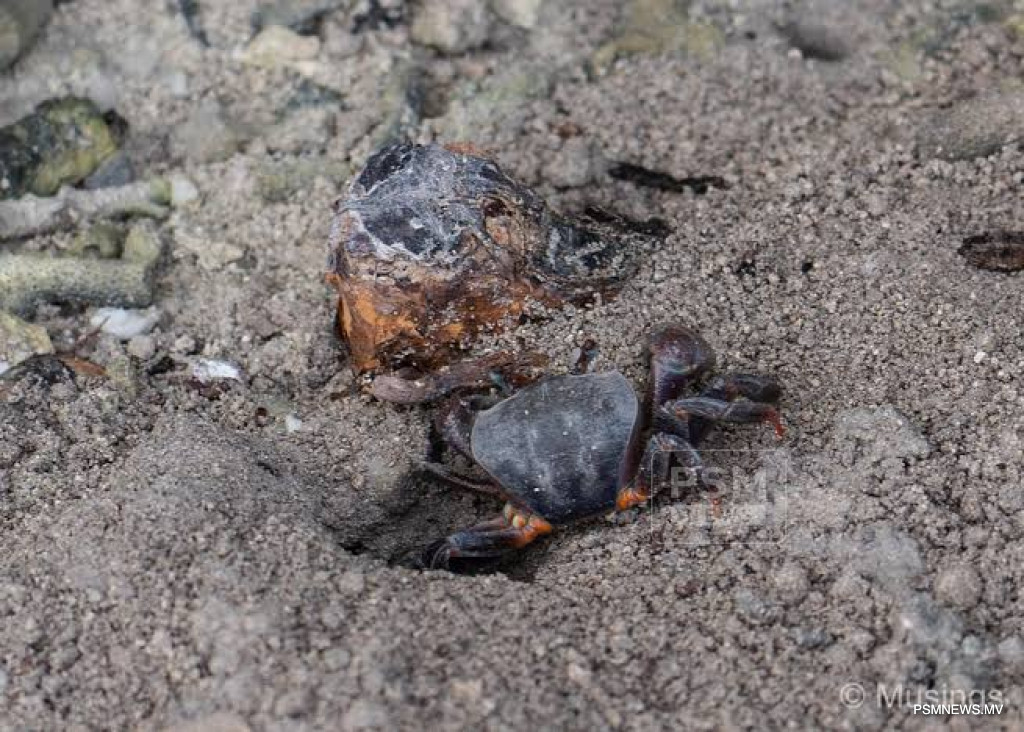
Maldives Launches First Mud Crab Fattening Project to Boost Local Aquaculture
The Ministry of Fisheries, Agriculture and Ocean Resources has granted the first-ever permit for a mud crab fattening project in the Maldives, marking a significant shift toward diversifying the nation's aquaculture sector. The pilot project is currently being implemented in Fiyoree, Gaafu Dhaalu Atoll.
This initiative is part of a broader government strategy to maximize the potential of marine resources and establish new income-generating opportunities. By moving beyond traditional capture fishing, the project aims to introduce sustainable farming techniques that can scale across the archipelago.
Mud crabs are highly prized in global seafood and tourism markets for their size and quality of meat. Naturally found in mangroves and muddy lagoon areas, these crustaceans also play a critical ecological role in maintaining the health of mangrove ecosystems and protecting coastal environments.
The project utilizes a specialized fattening method where young crabs are collected and housed in controlled environments. To ensure optimal growth and health, the project manages water salinity and cleanliness while providing high-quality feed until the crabs reach a marketable size.
According to the Fisheries Ministry, the domestic production of high-value crabs will significantly reduce the reliance on expensive imports currently required by luxury resorts and high-end seafood restaurants. By producing these delicacies locally, the project strengthens the domestic supply chain and ensures fresher products for the tourism industry.
Beyond the immediate commercial benefits, the Ministry highlighted the project as a vital step in economic diversification. By creating a viable private-sector business model for aquaculture, the government hopes to reduce the economy's singular dependence on wild-capture marine fishing, ultimately generating new revenue streams for both the state and private entrepreneurs.