Maldives Launches First PET Plastic Facility to Transform Waste Into Raw Materials
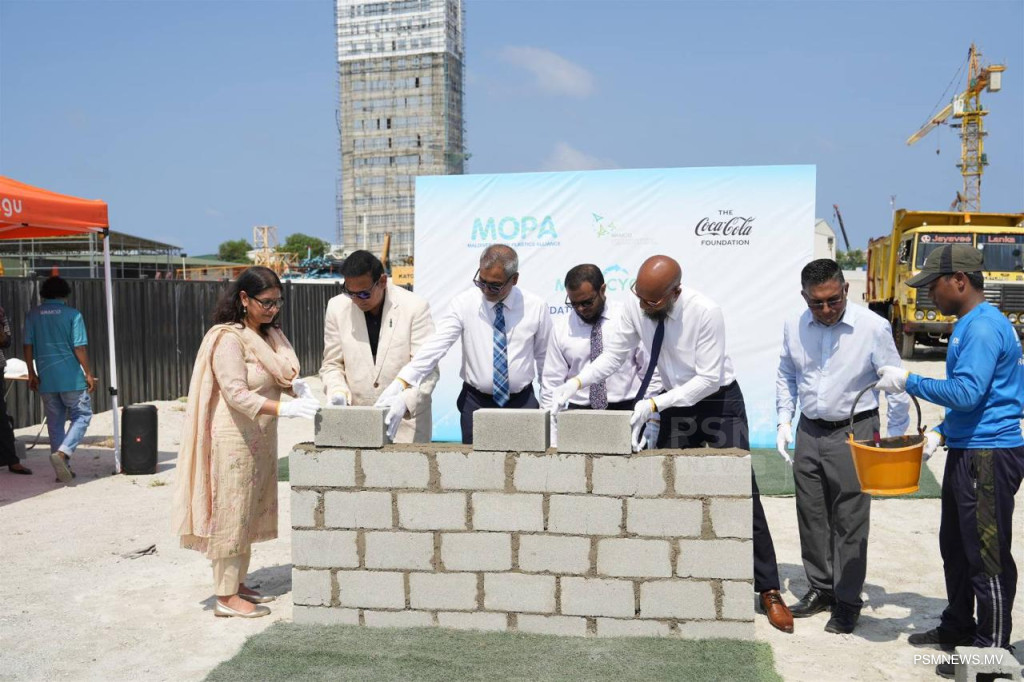
The Maldives has officially commenced construction on its first facility dedicated to processing polyethylene terephthalate (PET) plastic waste, marking a strategic shift toward a circular economy. The foundation stone was laid on Thilafushi, the nation's primary industrial hub, establishing a new benchmark for waste management and environmental sustainability.
Presided over by Minister for Climate Change, Environment and Energy Ali Shareef, the groundbreaking ceremony saw a coalition of public and private partners, including the Waste Management Corporation (WAMCO), Housing Development Corporation (HDC), and The Coca-Cola Foundation. Minister Shareef emphasized that the facility is a critical response to the geographic constraints and acute vulnerability the Maldives faces regarding plastic pollution.
The project is spearheaded by the Maldives Ocean Plastic Alliance (MOPA). During the event, MOPA President Ahmed Maumoon explained that the center aims to transition plastics from environmental liabilities into valuable economic resources. He projected that the facility will triple the volume of PET plastic exported from the Maldives, significantly increasing the value of materials that were previously treated as waste.
Spanning 5,000 square feet, the MOPA Cycle PET Flaking and Washing Line Facility will employ a rigorous multi-stage treatment process. This includes sorting, label and cap removal, mechanical flaking, and both hot and cold water washing cycles, concluding with a final drying process to create raw materials suitable for the textile and garment industries.
To prevent further ecological damage, MOPA is integrating an advanced Effluent Treatment Plant (ETP). This system is specifically designed to capture and treat water used during the washing process, ensuring that microplastics do not leak into the surrounding marine ecosystem.
By shifting from simple waste aggregation to high-value processing, the facility is expected to fundamentally alter the economics of plastic management in the archipelago. Construction is slated for completion within nine months, promising a more sustainable future for the nation's fragile environment.