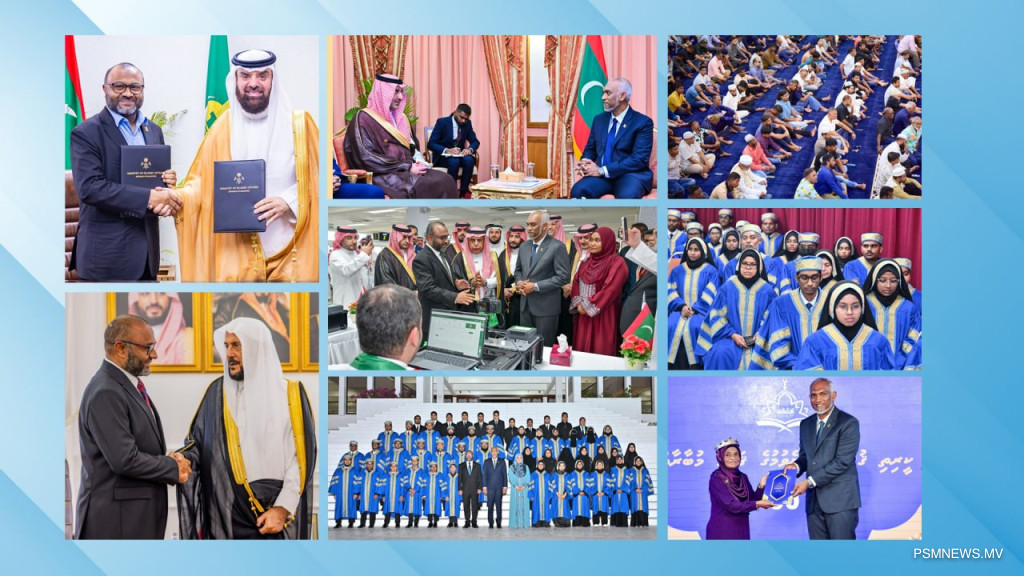
Maldives Launches Strategic Push to Boost Religious Literacy and Institutional Governance
The Maldives is implementing a comprehensive strategy to modernize religious governance and elevate public literacy, marking a significant evolution in how foundational Islamic education is delivered across the archipelago. Over the past two years, the administration has shifted toward a structured, state-assisted approach to preserve the nation's spiritual heritage while enhancing institutional transparency.
A cornerstone of this reform is the enactment of the country's first dedicated Zakat Act. By placing the religious obligation of almsgiving under statutory governance, the state aims to secure public confidence through a transparent framework. All Zakat revenues are now deposited into a dedicated account managed by the Maldives Monetary Authority, with the newly established Maldives Zakat House overseeing the verification and disbursement of funds to eligible recipients.
Simultaneously, the government is aggressively expanding the national register of Quranic memorisers. Under revised criteria, certificates for Hafizes are now formally accredited by the Maldives Qualifications Authority. To incentivize youth participation, the state has doubled the monthly allowance for certified Hafizes from USD 129.70 to USD 259.40. Qualifying graduates also receive a Presidential Medal and state-sponsored travel for the Umrah pilgrimage. The government targets 500 graduates during the current term, with 310 already certified and 2,000 students currently in study.
To combat a shortage of sermon givers in regional atolls, the state has launched specialized training for local Imams and opened Khateeb instruction to secondary school students. This initiative has already produced approximately 600 certified young leaders, with a goal of reaching 1,000 by the end of the presidential term.
Complementing these educational efforts is a major expansion of the Waqf (endowment) sector to create self-sustaining capital for religious affairs. High-profile projects include the construction of two 12-storey complexes in Malé and Hulhumalé—Dar al-Arqam and Dar al-Salam—alongside a specialized Quran Waqf complex. Similar decentralized developments are progressing in Thinadhoo City, Kulhudhuffushi City, Addu City, and Gaafu Alifu Atoll to ensure religious infrastructure is accessible across the islands.