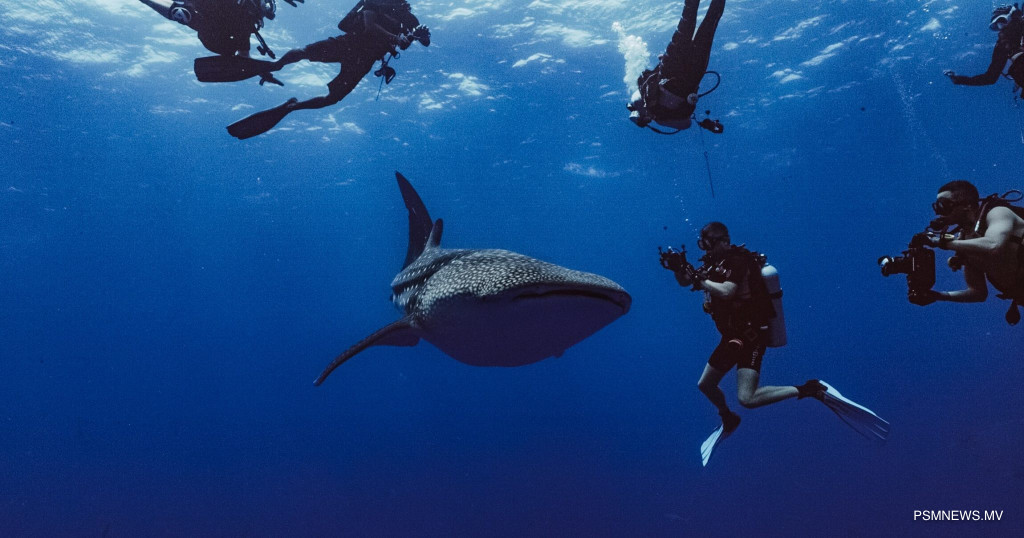
Maldives Leads Global Coalition to Ban International Whale Shark Trade
The Maldives has secured a major international conservation victory by leading a successful push to grant whale sharks the highest level of global protection. At the 20th Conference of the Parties to the Convention on International Trade in Endangered Species (CITES), delegates unanimously agreed to move the species from Appendix II to Appendix I. This decision imposes a near-total ban on the commercial international trade of whale sharks and their body parts.
The Ministry of Tourism and Environment clarified that Appendix I listings are reserved for species facing the most severe threat of extinction. Under the new rules, cross-border movement of whale shark specimens is now prohibited, with exceptions made only for non-commercial purposes such as critical scientific research.
The proposal, co-sponsored by 16 other nations, highlights the Maldives' commitment to protecting a species integral to both its marine ecosystem and its tourism economy. Officials noted that while whale sharks already receive strong national protection, the CITES decision embeds these safeguards into binding international law. This provides a stronger defense against global threats, including habitat degradation and climate change, and reinforces worldwide efforts to ensure the survival of the endangered species, which is a major draw for visitors to the Maldives' waters.