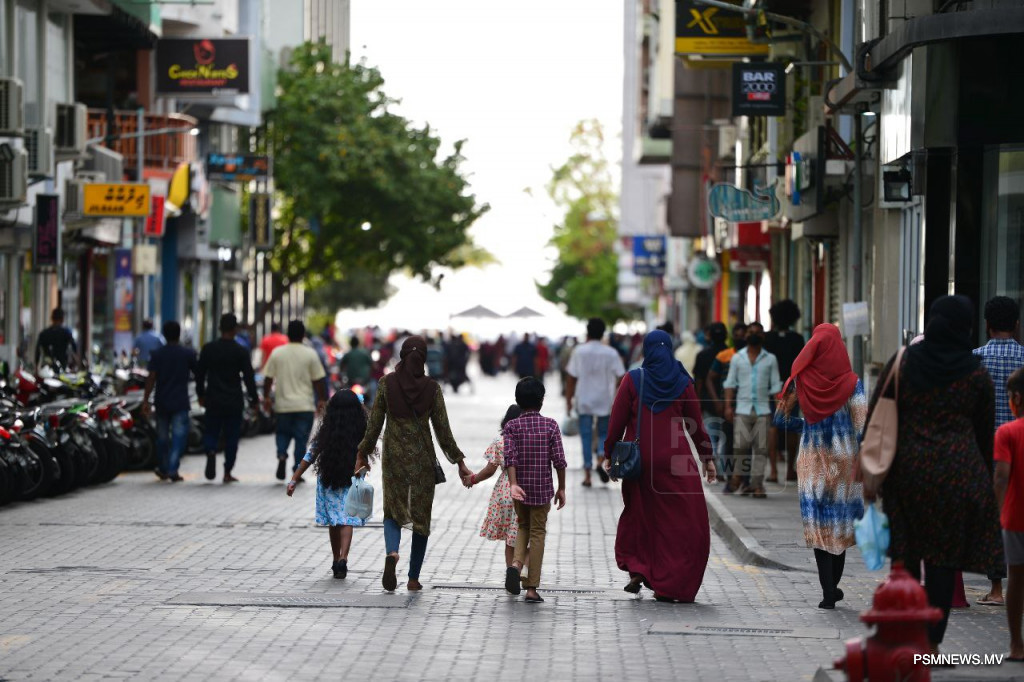
Maldives Must Remove Economic Barriers for Young Families as Population Ages
The Maldives is facing one of the swiftest demographic shifts in its history, with declining birth rates and a rapidly aging population threatening to reshape the nation's socio-economic landscape. In a joint opinion piece marking World Population Day, the Ministry of Health, Family and Welfare and the United Nations Population Fund (UNFPA) warned that the country is projected to become an aging society by the mid-2040s.
Data reveals a stark transition: the median age of Maldivians has doubled over three decades, rising from 16 years in 1990 to approximately 33 years today. The Ministry and UNFPA argue that the drop in fertility is not merely a personal choice but a result of systemic failures. Many young couples are unable to have the number of children they desire due to severe economic, social, and structural hurdles.
Chief among these barriers are the skyrocketing cost of living and limited economic security, particularly in the Greater Male' region, where 41 percent of the population resides. The report also highlights a critical labor market mismatch, noting that 19 percent of young people are 'NEET'—not in education, employment, or training—despite an economy heavily driven by tourism.
Gender inequality further complicates family formation. Women continue to bear the brunt of unpaid care work, which restricts their participation in the formal workforce and undermines their long-term financial stability. With the elderly population expected to triple by 2045, the authors stress the urgency of strengthening social protection systems to handle increasing healthcare demands.
To counter these trends, the Ministry and UNFPA propose 'smart care policies.' These include decentralized childcare services, community-based care for the elderly, and expanded parental leave to encourage shared caregiving. They also recommend aligning technical and vocational education (TVET) more closely with market needs to empower the youth.
The joint call to action emphasizes that investing in the economic stability of young people is essential for demographic resilience. By removing the obstacles to family formation and establishing robust care models for both urban and rural settings, the Maldives can ensure a sustainable future for all generations.