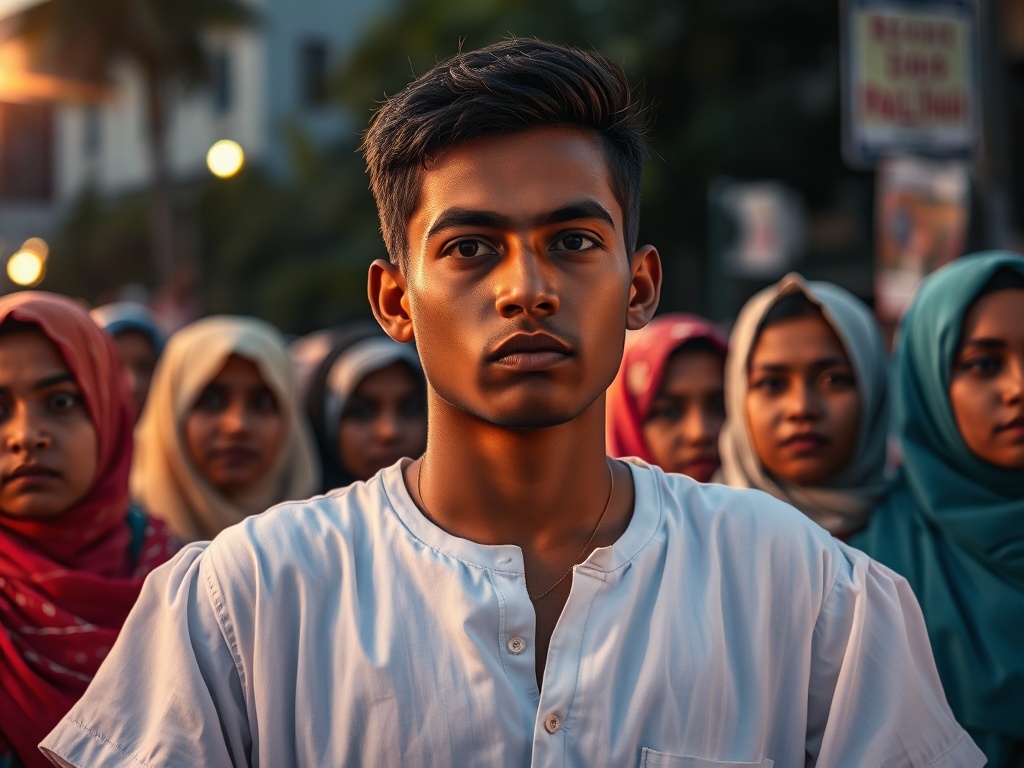
Maldives police arrest protesters accusing government of corruption
The recent police crackdown on protesters alleging government corruption has ignited fresh political tensions in the Maldives. Opposition parties claim the arrests represent a systematic erosion of democratic rights, while authorities maintain they were enforcing approved protest routes.
This incident occurs against a backdrop of longstanding corruption allegations that have plagued successive Maldivian governments. The MMPRC scandal remains a particularly sensitive issue, with many citizens questioning why full investigations have not been completed despite years passing since the initial revelations.
The current administration faces mounting pressure as it navigates complex socioeconomic challenges including high living costs, foreign currency shortages, and youth unemployment. Many Maldivians feel caught between political factions while struggling with daily economic hardships.
Police actions during protests have become increasingly contentious in recent years. The government insists it respects peaceful assembly rights, but opposition leaders argue that enforcement has become disproportionately harsh, particularly when demonstrations target alleged corruption.
These developments reflect deeper governance issues in the Maldives, where political polarization often overshadows substantive policy discussions. The public's frustration stems not only from specific corruption allegations but also from perceived systemic failures in accountability mechanisms.
As the nation grapples with these challenges, the fundamental question remains: how can democratic institutions be strengthened while addressing legitimate public concerns about governance and transparency? The answer may determine the country's political trajectory for years to come.
The situation highlights the delicate balance between maintaining public order and protecting constitutional rights—a balance that becomes particularly precarious when allegations of corruption involve those in power.