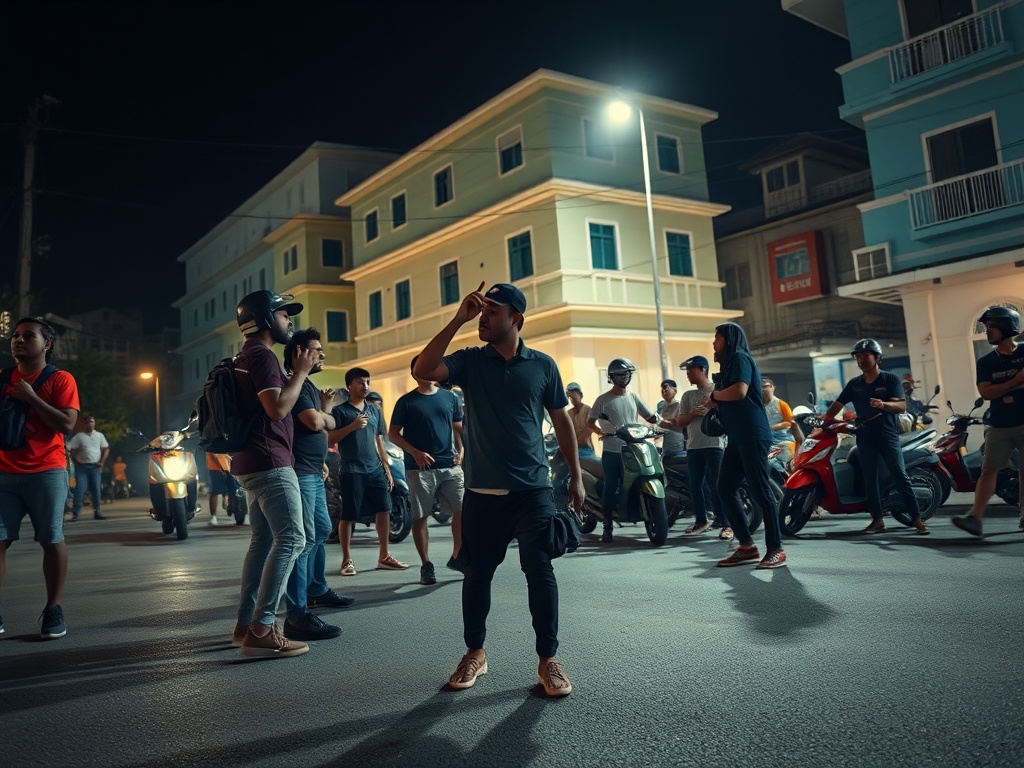
Maldives police arrest protesters accusing government of corruption
The streets of Malé witnessed another night of tension as Maldives Police Service moved to disperse a public gathering organized by the opposition Maldivian Democratic Party. Eight individuals were taken into custody, accused of violating approved protest routes. The government has stated its commitment to peaceful assembly but insists police action was necessary after participants strayed from permitted areas.
This incident reflects growing unrest among Maldivians, particularly the youth, who are increasingly vocal about corruption, nepotism, and inequality. Social media platforms have become arenas for airing grievances and exposing what many perceive as the lavish lifestyles of the political elite. The use of equipment and training allegedly linked to foreign military forces by local police has further inflamed public sentiment.
Opposition parties claim the arrests are part of a broader pattern of suppressing dissent and curtailing basic freedoms. They argue that the government is attempting to avoid displaying the true scale of public discontent, as evidenced by alleged instructions to prevent rallies on Majeedheemagu—a location known for showcasing massive turnouts.
The current administration, led by President Muizzu, faces multiple challenges including high national debt, a bloated public sector, and a deepening housing crisis in the capital. Many citizens express frustration over perceived inefficiency and politicization of institutions, from the judiciary to public services. The tourism-dependent economy continues to struggle with foreign currency shortages and a high cost of living, exacerbating public dissatisfaction.
As allegations of electoral bribery and unresolved corruption cases like the MMPRC scandal linger, the trust between the government and the people appears to be eroding. The latest protests and subsequent arrests highlight a nation at a crossroads, where democratic freedoms and accountability are increasingly central to public discourse.