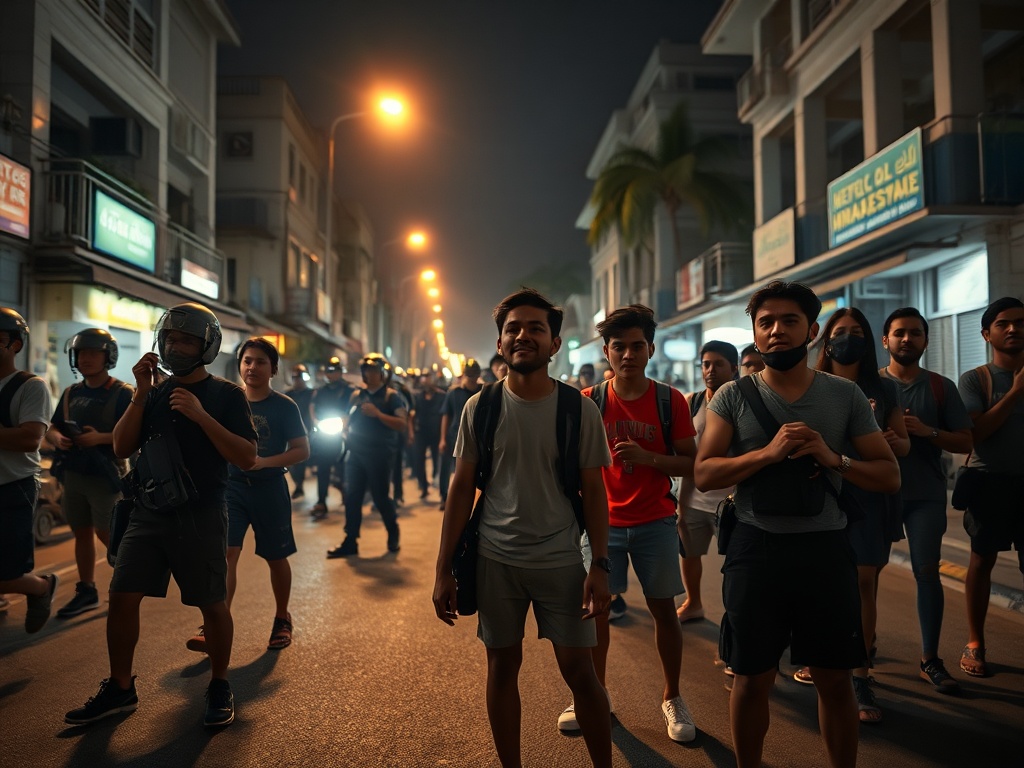
Maldives police arrest protesters accusing government of corruption
The streets of Malé witnessed another night of tension as Maldives Police Service officers moved in to disperse a public protest. Eight individuals were arrested, accused of violating approved protest routes. The demonstration, organized by opposition voices, centered on allegations of systemic corruption and the erosion of democratic freedoms.
Protesters voiced frustration over long-standing issues like the MMPRC scandal and perceived nepotism in high-level appointments. Many young Maldivians, facing unemployment and a high cost of living, see these gatherings as one of the few avenues to express dissent. The government has reiterated its commitment to peaceful assembly but insists police action was necessary due to route violations.
This incident occurs against a backdrop of rising youth activism globally, where social media amplifies anger against inequality and elite privilege. In the Maldives, the narrative is deeply intertwined with domestic political rivalries and public skepticism towards institutions.
Opposition parties, particularly the Maldivian Democratic Party (MDP), have condemned the arrests as an attempt to stifle legitimate protest. They argue that the government fears the visual impact of large crowds on key thoroughfares like Majeedhee Magu, which showcase popular support.
The use of force and specific police equipment has also drawn criticism, with some alleging training and tactical influences from foreign militaries. These claims, though unverified, resonate in a political climate sensitive to external allegiances and sovereignty.
For many citizens, the cycle of protest and crackdown reflects deeper systemic failures. The concentration of power, politicized judiciary, and economic pressures create a volatile mix. While the government maintains it acts within the law, the public perception is increasingly one of repression over resolution.
The path forward remains uncertain. With a youthful population eager for change and a ruling party consolidating control, these clashes may become more frequent. The core demands for accountability, transparency, and genuine democratic space continue to fuel the discontent seen on the streets of the capital.