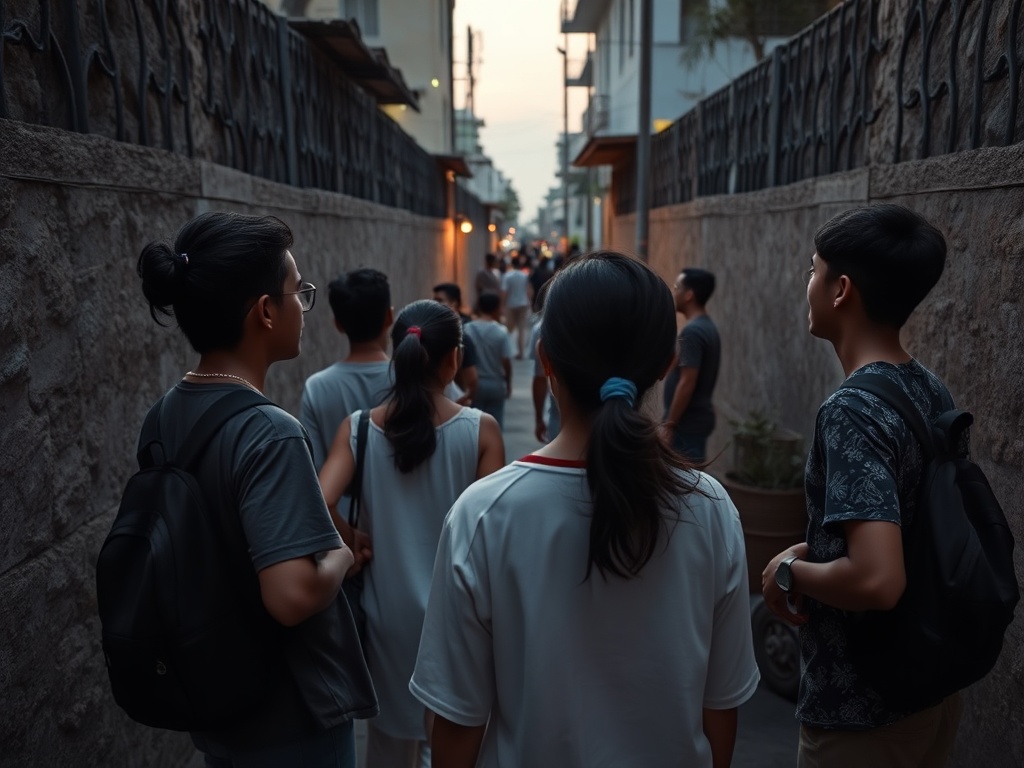
Maldives politics has become a circus — the same show on repeat.
The voices emerging from Maldivian social media tell a story of collective exhaustion. When one commenter observes that 'Maldives politics has become a circus — the same show on repeat, only with the clowns changing every five years,' they capture a sentiment felt across kitchen tables and office corridors. This isn't just political criticism; it's the weary recognition of a system that consumes hope and returns little but drama.
Recent protests and the police response using LRAD devices have deepened this disillusionment. The detailed naming of officers and equipment suggests citizens are no longer shouting into the void but documenting, cataloging, hoping someone is listening. Yet the response from many is cynical laughter — 'Cry more' — revealing how normalized political conflict has become. The real tragedy may be that we've grown accustomed to the spectacle.
Meanwhile, daily life reveals the cracks in governance. The hour-long wait for medicine at STO, the grounded wide-body aircraft hemorrhaging revenue, the 'big bureaucracy' that makes simple tasks complex — these aren't abstract policy failures. They're experiences that shape how people eat, work, and care for their families. When someone notes that 'the problem is that the unhappier the masses get, the pricier the bribes to allies get,' they're describing a political economy where public suffering fuels patronage rather than reform.
This cycle appears self-perpetuating. Another voice observes that 'nothing of this manner will get fixed' because every discussion devolves into 'this party that party' debates. The same energy that should fuel solutions gets channeled into tribal arguments, while thousands queue for political appointments rather than productive work. The system seems designed to keep people fighting each other while the real issues — medicine shortages, economic instability, institutional bloat — continue unchecked.
What happens when a society loses faith in its political process? Some turn to international appeals, addressing the 'Dear international community' as if local mechanisms have failed. Others retreat into private life, focusing on personal security in a system they cannot change. The most telling comment might be the simplest: 'wee needta change la' — a weary, almost hopeless recognition that something must give, without any clear sense of how or when.
The Maldivian political dilemma isn't just about who holds power, but whether the structure itself can deliver what people need. When the same patterns repeat regardless of which party governs, when protest and response become ritualized, when daily life grows more difficult despite political promises, people don't just lose faith in their leaders — they risk losing faith in the possibility of change itself.