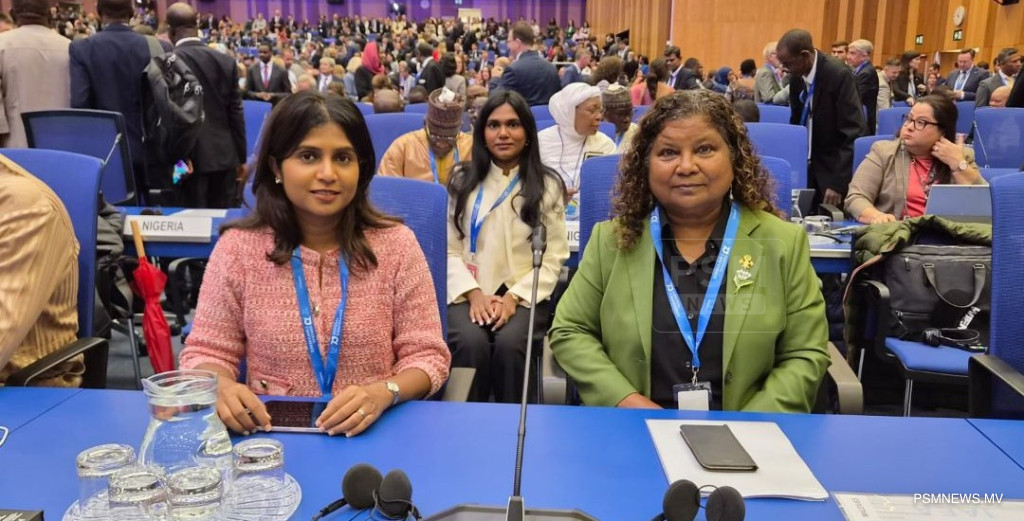
Maldives Prioritizes Cancer Care and Clean Energy at First IAEA General Conference
The Maldives has concluded its debut participation as a Member State at the International Atomic Energy Agency’s (IAEA) General Conference, identifying cancer treatment, sustainable energy, and disaster resilience as critical pillars for future international cooperation.
Attending the 70th Regular Session in Vienna, Austria, from September 14 to 18, 2026, the Maldivian delegation sought to establish a strategic roadmap following the country’s formal accession to the Agency in December 2025. The delegation was led by Dr. Salma Rasheed, the Ambassador and Permanent Representative of the Maldives to the United Nations Office at Geneva.
In a formal address to the conference on September 16, Ambassador Rasheed detailed the nation's priorities. Central to the Maldives' agenda is the expansion of diagnostic and treatment facilities for cancer, aimed at reducing the need for citizens to seek specialized care abroad. This objective aligns with the IAEA’s 'Rays of Hope' initiative, which focuses on increasing radiotherapy access in underserved regions.
Beyond healthcare, the Maldives is looking toward the IAEA to explore low-carbon energy technologies. These innovations are seen as vital to supporting the country’s energy transition and reducing its reliance on fossil fuels. The delegation also engaged in technical discussions regarding radioactive waste management and the strengthening of national disaster preparedness to better protect the archipelago from environmental crises.
During the session, Ambassador Rasheed held high-level bilateral meetings with IAEA Director General Rafael Mariano Grossi and the Agency’s Regulatory Infrastructure Development Project (RIDP) team. These meetings focused on building the necessary legal and technical frameworks to ensure the safe and secure use of nuclear technologies within the Maldives.
The Maldives' first appearance at the General Conference reaffirms its commitment to leveraging scientific cooperation to enhance public health, ensure energy security, and build national resilience against global challenges.