Maldives Secures Historic First Seat on UN Economic and Social Council
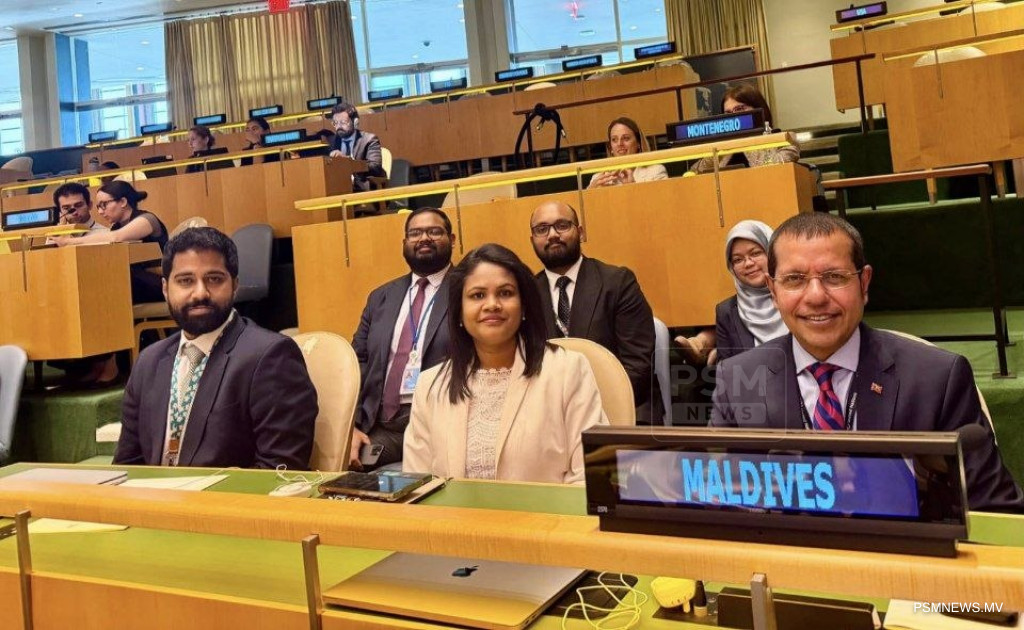
The Maldives has achieved a historic diplomatic milestone, securing a seat on the United Nations Economic and Social Council (ECOSOC) for the 2027–2029 term. This marks the first time the nation has been elected to the council since joining the United Nations in 1965.
During elections held at the UN Headquarters in New York, the Maldives garnered 183 votes, earning one of the three coveted Asia-Pacific seats alongside Malaysia and the Republic of Korea. The three-year term is set to begin on January 1, 2027.
The Ministry of Foreign Affairs stated that the election results reflect global confidence in the Maldives' longstanding commitment to sustainable development, climate action, and development financing. President Dr. Mohamed Muizzu described the achievement as a proud moment, noting that it demonstrates the international community's trust in the nation's commitment to constructive multilateral engagement.
As a Small Island Developing State (SIDS), the President emphasized that the Maldives possesses first-hand experience with the urgent challenges facing vulnerable nations, particularly economic resilience and the existential threat of climate change. He noted that this seat provides a more powerful platform to advocate for the priorities of SIDS and other developing countries globally.
Foreign Minister Iruthisham Adam hailed the election as a recognition of President Muizzu's foreign policy and the country's advocacy for sustainable development. She expressed gratitude to the Member States for their support and confidence.
Dr. Ali Naseer Mohamed, the Permanent Representative of Maldives to the UN, described the appointment as both an honor and a responsibility. He affirmed that the Maldives will work with other Member States to strengthen ECOSOC's role as a hub for practical solutions and implementation of development goals.
ECOSOC is one of the six principal organs of the UN, responsible for coordinating the organization's work on economic and social issues. It plays a critical role in reviewing the implementation of internationally agreed goals, including the 2030 Agenda for Sustainable Development.