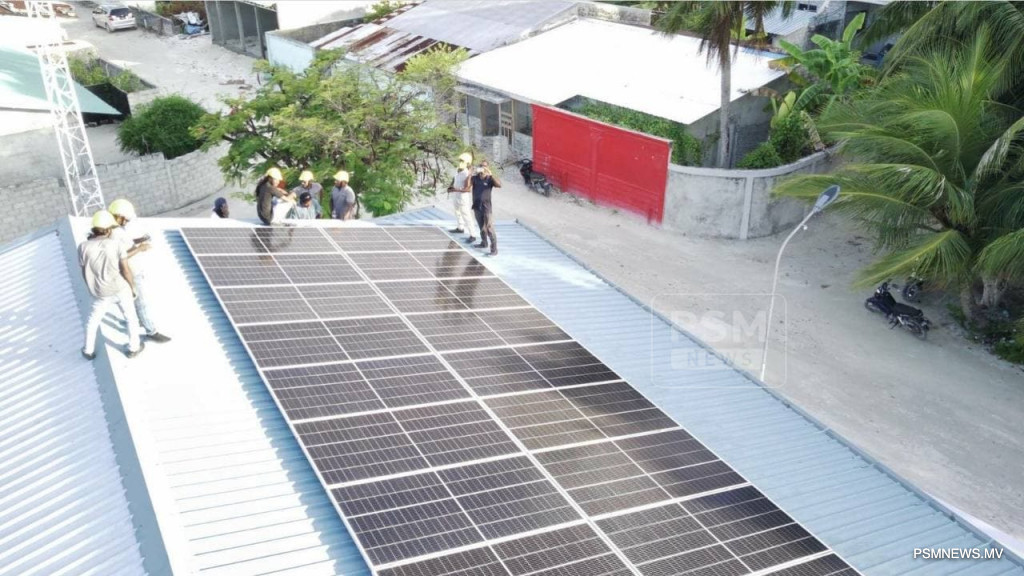
Maldives Shuts Down Diesel Generators as Solar Transition Hits 25 Islands
The Maldives has begun decommissioning diesel generators across several islands, marking a pivotal shift toward solar photovoltaic (PV) hybrid systems to secure economic resilience and environmental sustainability. This transition aims to reduce the nation's precarious dependence on imported fuels, which currently drain an estimated 13 percent of the country's Gross Domestic Product (GDP).
As an archipelagic nation, the Maldives faces immense logistical hurdles in providing electricity, making it one of the government's most expensive basic services. To combat these costs and mitigate the impacts of climate change, the government has established a target to derive 33 percent of the nation's electricity from renewable sources by 2028.
The initiative is already yielding tangible results in Raa and Baa Atolls. Funded by grants from the Asian Development Bank (ADB) and the European Investment Bank (EIB), a 6.5-megawatt solar power network has been deployed across 25 islands. In these communities, diesel engines are now shut down for the majority of the day, with power supplied entirely by clean energy.
During a visit to Kudarikilu, Minister of Climate Change, Environment and Energy Ali Shareef highlighted the immediate impact of the project. Pointing to the silenced machinery at the local power plant, the Minister noted that the island's generators now remain off from 8:00 am to 3:00 pm daily, with the community relying on solar panels and battery energy storage systems.
Beyond the immediate reduction in carbon emissions, the shift to solar-diesel hybrid systems is designed to protect the Maldives' foreign exchange reserves. By decreasing the need for costly fuel imports, the government aims to strengthen the domestic economy while safeguarding fragile marine and island ecosystems.
This strategic move represents a broader effort to transition from a vulnerable, fuel-dependent energy model to a self-sufficient framework. For the Maldives, the adoption of solar energy is not merely a technical upgrade but a vital investment in a sustainable future for coming generations.