Maldives Surveys Island Sites to Meet 33 Percent Renewable Energy Goal
The Maldivian government has launched a comprehensive nationwide survey to identify optimal locations for solar photovoltaic (PV) systems. This initiative is a critical step toward the administration's goal of generating 33 percent of the nation's electricity from renewable sources by the end of 2028.
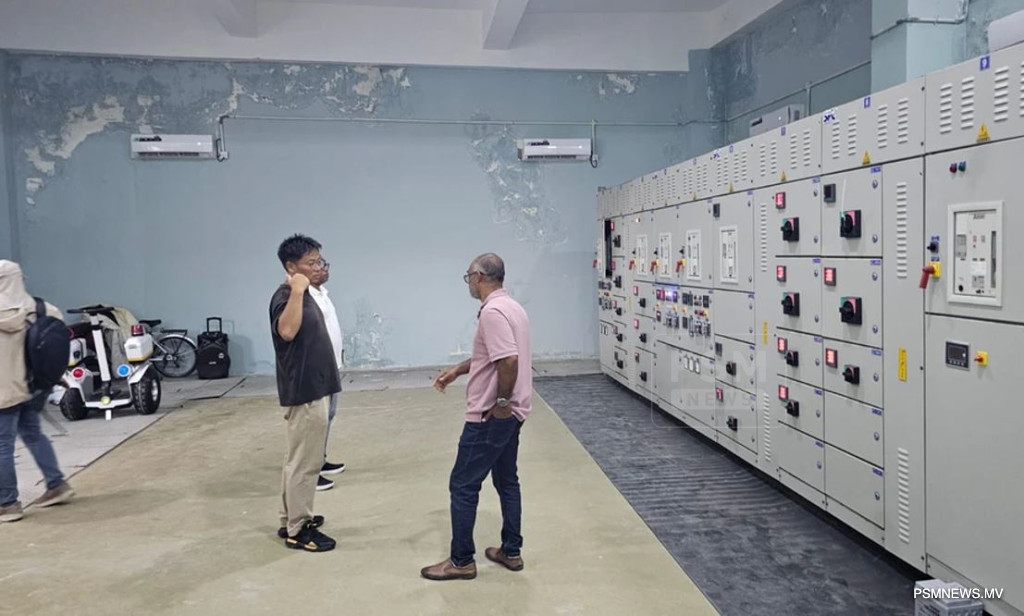
Survey teams are currently visiting islands across various atolls to assess land availability and evaluate building rooftops for solar installation. These teams are gathering essential technical data required to implement large-scale energy projects, ensuring that infrastructure is placed where it can maximize energy capture and efficiency.
Transitioning to clean energy is expected to yield substantial economic and environmental rewards. By reducing the country's heavy reliance on imported fossil fuels, the government estimates an annual saving of USD 42 million in fuel expenditures. Beyond the financial gains, the shift to sustainable power is central to the Maldives' strategy to mitigate climate change and protect its fragile island ecosystems.
This survey builds upon several existing green energy initiatives. In August, the government initiated a project to establish solar hybrid systems across 25 islands. Once fully operational, this specific project is projected to save over 3 million liters of diesel annually and cut carbon dioxide emissions by 8,400 metric tonnes.
Further diversifying the energy portfolio, work began in December on a massive 100-megawatt floating solar project led by an external partner. According to the Ministry of Economic Development, Transport and Trade, this floating solar installation is slated for completion in 2027.
Through the coordination of multiple state institutions, the administration of President Dr. Mohamed Muizzu is accelerating the shift toward energy independence. By integrating rooftop solar, land-based arrays, and innovative floating systems, the Maldives aims to create a more resilient and sustainable power grid for its dispersed island communities.