Maldives to Build 154 Police Stations to End Reliance on Rented Premises
The Maldives Police Service is launching a nationwide initiative to construct 154 purpose-built police stations, marking a strategic shift away from the institutional reliance on rented facilities that has persisted for three decades. Commissioner of Police Ahmed Mohamed described the project as a critical step toward enhancing the quality of law enforcement services and operational efficiency across the atolls.
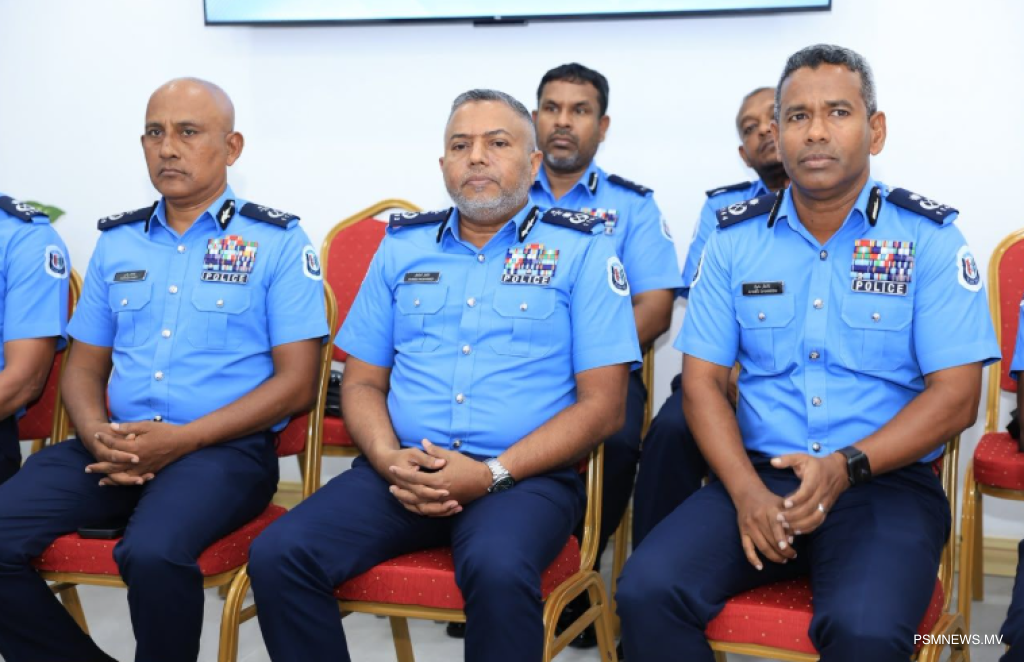
During a visit to the Kaashidhoo Police Station, the Commissioner emphasized that policing is a specialized profession requiring dedicated infrastructure to function effectively. He credited President Dr. Mohamed Muizzu for initiating the project, which aims to provide permanent, professional environments for officers stationed throughout the archipelago.
In Kaashidhoo, land has already been allocated for a new two-story station. Commissioner Mohamed confirmed that the police service is currently meeting with contractors to expedite the construction process and ensure the facility is completed promptly.
Reviewing local performance, the Commissioner noted that Kaashidhoo reported 21 cases in the first half of the year, with nine already processed and forwarded to the Prosecutor General’s Office. While praising the dedication of investigating officers, he issued a specific directive to increase surveillance of the island’s forested areas to disrupt potential drug transactions occurring outside residential zones.
Beyond infrastructure, the Commissioner announced a policy shift to prioritize criminal investigations and operational duties. He expressed concern that some officers have attempted to avoid investigative workloads, stating that future institutional emphasis will be placed on those directly engaged in core investigative roles.
Concluding his visit, the Commissioner urged all officers to maintain the highest standards of ethics, discipline, and professional appearance. He reminded personnel that they are the primary point of contact for island communities and must take full responsibility for the safety and security of the residents they serve.