Maldives to Lead UN Resolution Promoting Global Independence of Judges and Lawyers
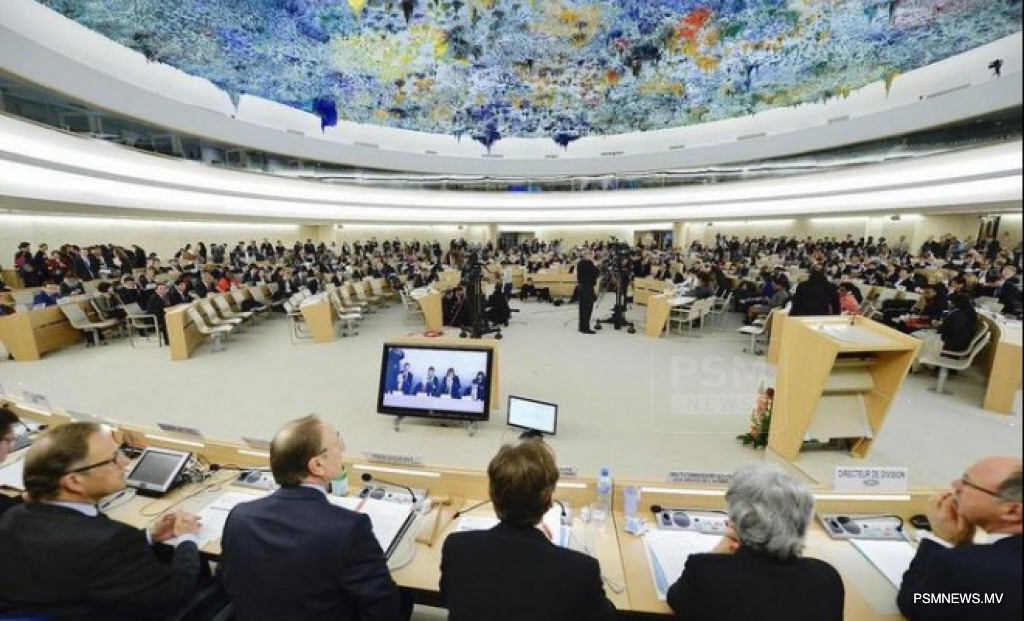
The Maldives is set to present a pivotal resolution at the 62nd session of the United Nations Human Rights Council (UNHRC) to renew the mandate of the Special Rapporteur on the Independence of Judges and Lawyers. This move underscores the nation's commitment to judicial autonomy and the protection of the legal profession on a global scale.
Despite having completed its third term as a council member in 2025, the Maldives remains an active participant in the Geneva-based deliberations. Acting as part of the Core Group on the mandate, the Maldives will table a combined resolution that seeks not only to renew the Special Rapporteur's term but also to trigger specific actions regarding thematic issues affecting the independence of the judiciary.
Beyond judicial independence, the Maldivian delegation intends to use the session to highlight an escalating global trend of human rights violations. Leveraging its membership in the Non-Aligned Movement and the Organisation of Islamic Cooperation (OIC), the Maldives will deliver official statements across several agenda items. This includes participation in the Interactive Dialogue with the Commission of Inquiry regarding the Occupied Palestinian Territory, including East Jerusalem, and Israel.
The four-week session, running from June 15 to July 7, serves as a primary forum for governments, UN officials, and civil society to address urgent human rights crises. The Maldivian delegation is led by Dr. Salma Rasheed, the Ambassador and Permanent Representative to the United Nations Office at Geneva, supported by a team of counselors and secretaries.
The UN Human Rights Council, consisting of 47 member states, is the UN's principal intergovernmental body tasked with promoting and protecting human rights worldwide. By leading this resolution, the Maldives signals that its influence and engagement with international human rights standards persist regardless of its formal membership status on the council.