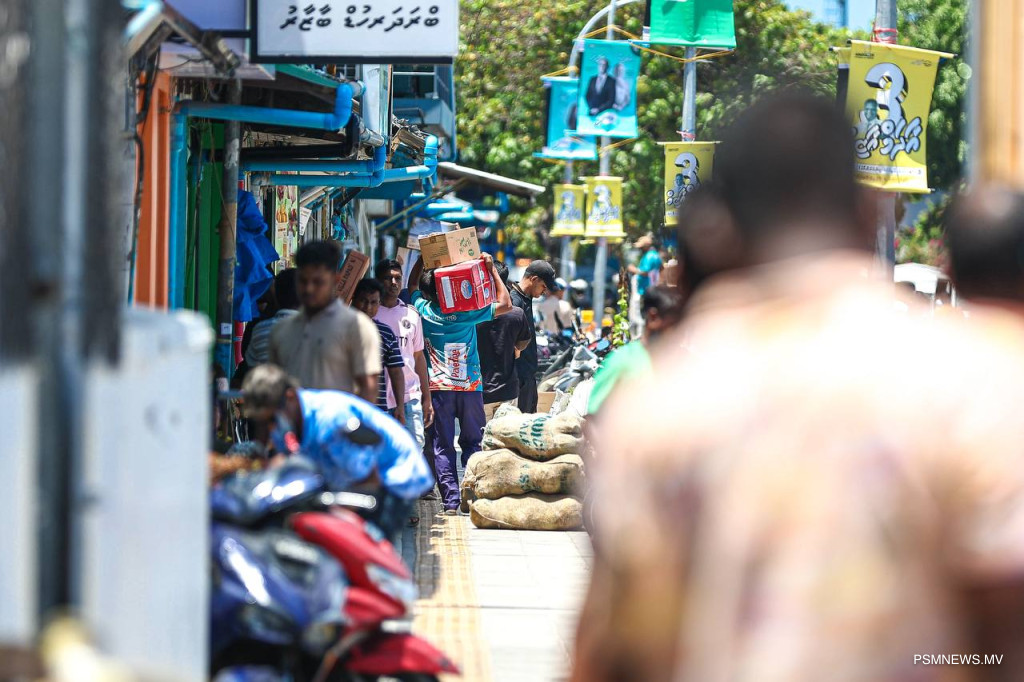
Maldives Trade Sector Grows in Q1 Despite Surging Operational Costs
The Maldives' wholesale and retail trade sector expanded during the first quarter of 2026, driven by increased commercial activity despite a sharp rise in operational expenses, according to the latest Quarterly Business Survey by the Maldives Monetary Authority (MMA).
The central bank's assessment, based on direct surveys of industry businesses, revealed that the Volume of Sales Index—which tracks the total amount of trade conducted—increased by 24 points to reach a value of 4. This growth indicates a rise in the sheer quantity of goods moving through the market during the start of the year.
However, this growth came at a high cost. The report highlights significant upward pressure on expenditures, with the Cost of Sales Index surging by 95 points to reach 68. This reflects a broader trend, as 78 percent of surveyed businesses reported an increase in their overall operational expenses. Consequently, the index for average selling prices spiked by 106 points, climbing to 66 as businesses passed costs on to consumers.
Labor costs also contributed to the financial strain. The index tracking wages and other labor-related expenses jumped by 67 points to reach 80, while the total number of employees saw a marginal increase of 1 point, bringing that index to 70.
Looking ahead, the MMA reports that the initial momentum of the year is expected to moderate. Business owners have expressed diminished expectations for the second quarter of 2026, causing several primary forecast indices to turn negative.
Perspectives on the labor market remain divided. While the index forecasting an increase in staff numbers declined by 10 points, it remains slightly positive at 3 points. Meanwhile, projections for costs show continued upward movement; the index for future average selling prices climbed by 53 points to reach 12, while the projected cost of sales, though decreased by 58 points, remains in positive territory at 22.