Maldives Urges Global Cooperation for Sustainable Tuna Fisheries at IOTC Meeting
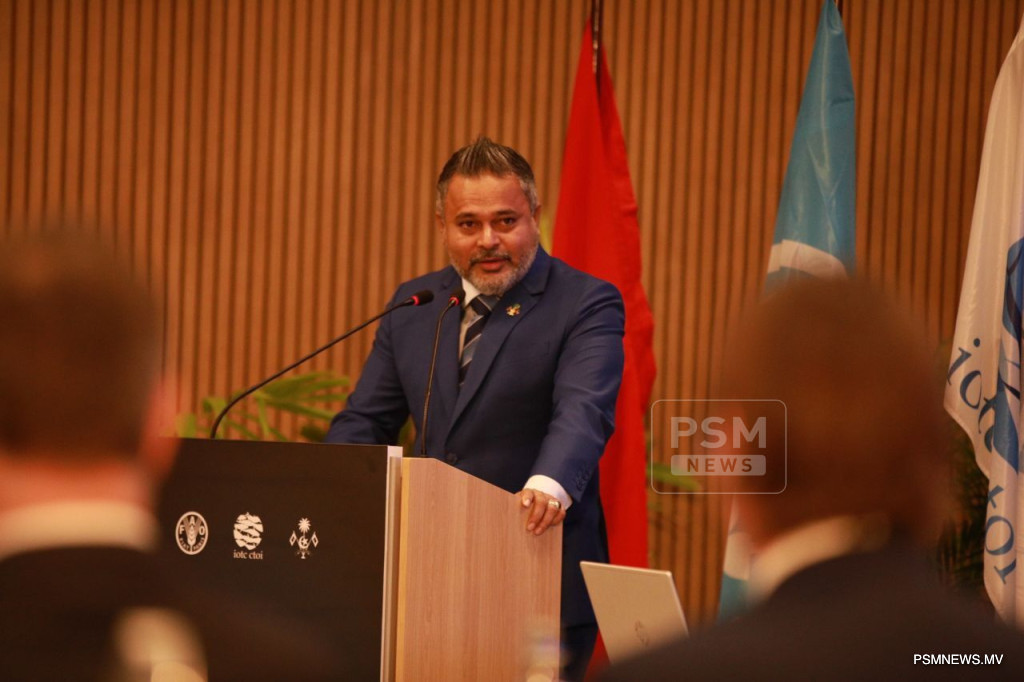
The Maldives has reaffirmed its commitment to sustainable fisheries management, positioning itself as a global leader in balancing economic stability for fishing communities with the urgent need to protect marine ecosystems. Speaking at the 30th session of the Indian Ocean Tuna Commission (IOTC) in Male’, Minister of Fisheries, Agriculture and Ocean Resources Ahmed Shiyam emphasized that sustainability is a necessity, not a political choice, for the island nation.
Minister Shiyam highlighted the resilience of Maldivian fishermen, who brave challenging weather daily, as a driving force behind the government's policies. Under the leadership of President Dr Mohamed Muizzu, the administration has launched a comprehensive agenda to modernize industry practices and provide substantive support to fishing families while acting as a steward of marine biodiversity.
Central to the Maldives' strategy is the protection of yellowfin tuna, a species vital to both the ecology and the economy of the region. Since 2016, the Maldives has actively participated in international population recovery initiatives. Domestically, the government has implemented a moratorium on long-line fishing and modified traditional practices to reduce pressure on tuna stocks.
While acknowledging that these restrictions create economic and social hurdles for small island developing states, Minister Shiyam maintained that such sacrifices are essential for long-term resource security. He noted that Maldivian society has long understood the intrinsic link between healthy oceans and the wellbeing of future generations, long before sustainability became a global trend.
Closing his address, the Minister called for collective action among all stakeholders, asserting that the Indian Ocean serves as a vital bridge between diverse nations. He warned that the outcomes of the IOTC meeting would have profound implications beyond regulation, directly affecting global food security, public health, and the livelihoods of coastal communities worldwide. The Maldives continues to advocate for a framework based on mutual trust, equity, and shared responsibility to preserve one of the world's most valuable natural resources.