Maldives Urges Global Plastic Treaty to Address Small Island Vulnerabilities
The Maldives is calling for the international community to formally recognize the unique challenges faced by Small Island Developing States (SIDS) as negotiators work to finalize a global treaty on plastic pollution.
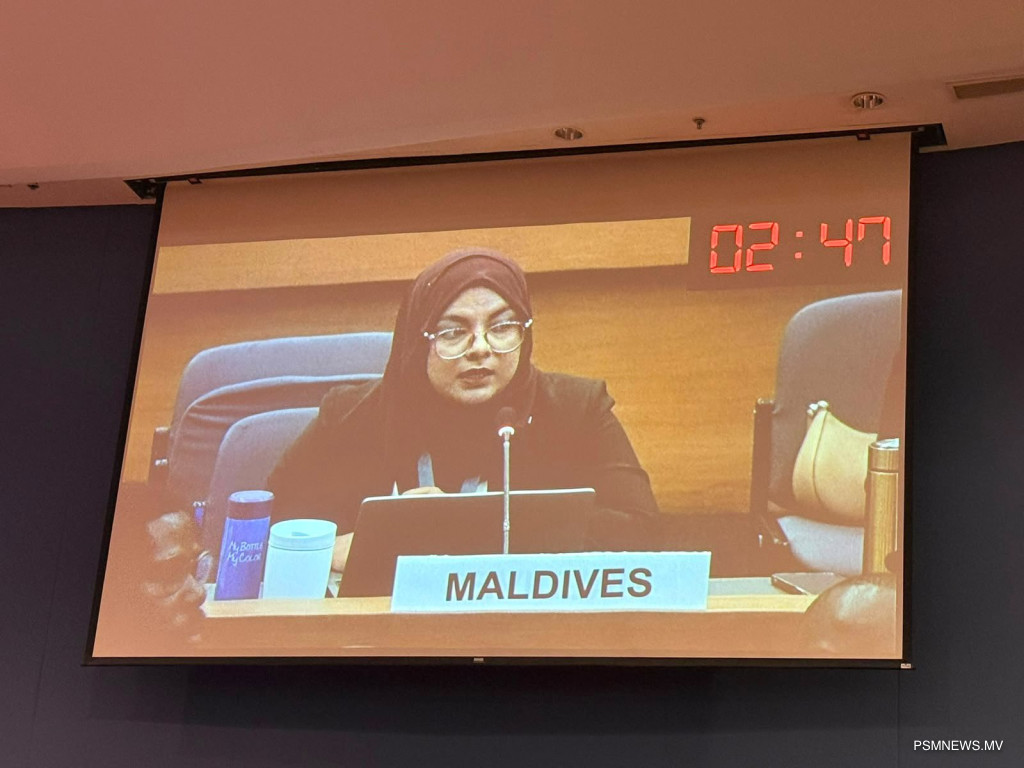
During the 2nd Informal In-Person Meeting of Heads of Delegation of the Intergovernmental Negotiating Committee (INC) in Bangkok, Maldivian representatives emphasized that plastic pollution is not merely a local issue but a transboundary crisis. The government argued that SIDS suffer disproportionate impacts from plastic waste that often originates outside their borders, drifting into fragile marine ecosystems and polluting pristine coastlines.
Representing the nation at the summit were Legal Counsel Fazeela Ahmed Shaheem and Environmental Analyst Fathimath Shamra. According to the Ministry of Climate Change, Environment and Energy, the Maldivian delegation urged that the special circumstances and inherent vulnerabilities of island nations be meaningfully integrated and operationalized within the final legal text of the treaty.
The discussions in Bangkok focused on various conceptual provisions of the agreement. Member states are currently working toward a convergence of views to ensure a unified framework is established before the next critical phase. The goal is to finalize the treaty during the fourth part of the fifth session of the INC, scheduled for March 2027.
For the Maldives, the stakes are exceptionally high. As an archipelago nation, the health of the ocean is inextricably linked to its economy, food security, and overall survival. By pushing for SIDS-specific considerations, the Maldives aims to ensure that the final global agreement provides the necessary support and legal mechanisms to protect the most vulnerable coastal states from the escalating tide of plastic waste.