Maldives Warns Rising Sea Levels Threaten National Sovereignty and Security
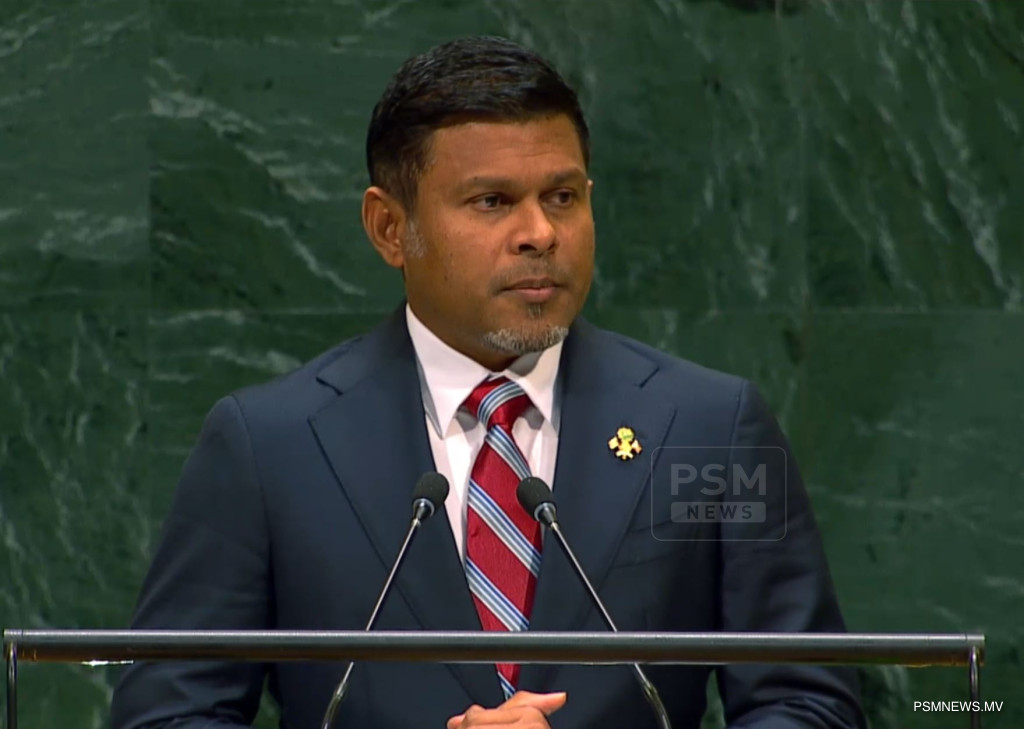
The Maldives has warned that rising sea levels represent more than an environmental crisis, posing a direct threat to the nation's sovereignty, security, and physical foundations. Speaking at the 81st Session of the UN General Assembly, Vice President Hussain Mohamed Latheef emphasized that for small island developing states, climate change is fundamentally altering the land upon which their states are built.
Vice President Latheef argued that sea-level rise must be integrated into national planning and security frameworks. While acknowledging that rising oceans may physically alter the country's shores, he asserted that such changes would not erase the Maldives' statehood, maritime entitlements, or national agency. The government's strategy focuses on adaptation and innovation to build long-term resilience.
However, the Vice President stressed that resilience is only possible with the necessary resources. He called for a systemic shift in climate finance, demanding that funds reach the most vulnerable nations at the scale, speed, and on the terms required to implement effective defenses.
Looking ahead to COP31 in Antalya, the Vice President urged the international community to treat the summit as a "COP of delivery," where the success of climate commitments is measured by actual implementation rather than promises. He further advocated for accelerated progress toward the 2030 Agenda, specifically for small island states.
Central to this progress, the Vice President noted, is the health of the global ocean. He called for the first Conference of the Parties to the BBNJ (Biodiversity Beyond National Jurisdiction) Agreement to deliver immediate results from its inception.
Ultimately, the Maldives maintains that global commitments are only meaningful if they enable tangible progress at home. The Vice President concluded that the nation's response to the climate crisis must prioritize the Maldives' ability to determine its own future and maintain its independence in an era of environmental instability.