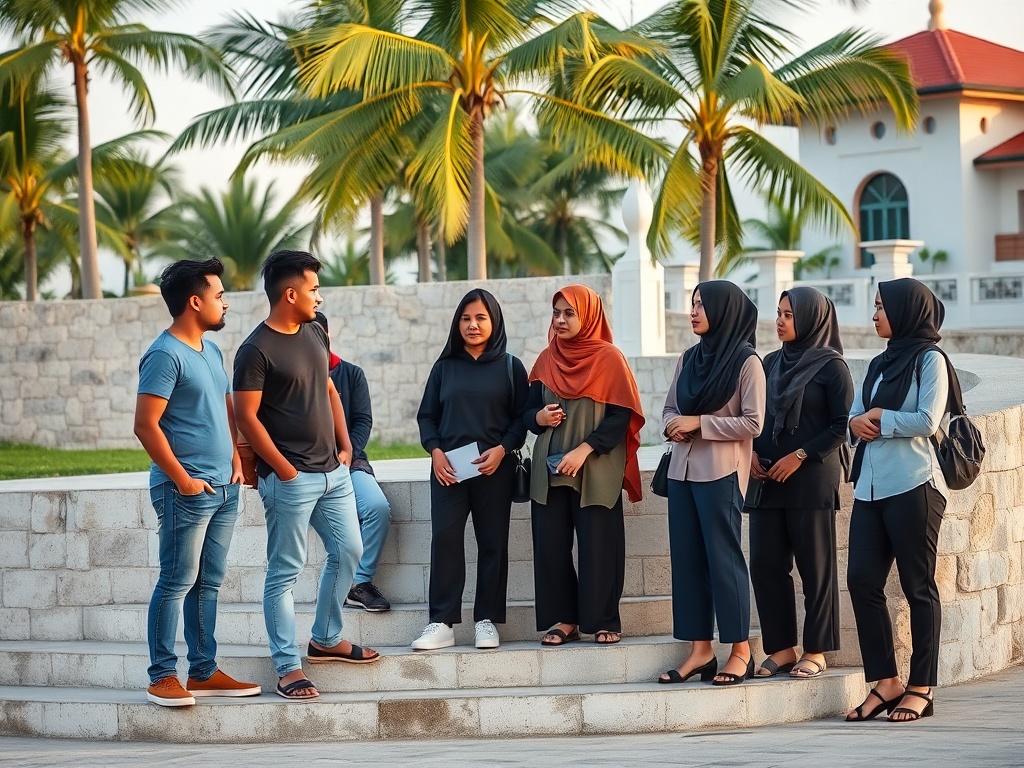
Maldives youth voice frustration over political stagnation
Across the Maldives, a growing sense of frustration is brewing among the youth population. Many young Maldivians feel their voices are being systematically excluded from the political discourse that shapes their future. This sentiment echoes through conversations in Male' cafes, university campuses, and social media platforms where young citizens gather to discuss the nation's direction.
The disconnect between political leadership and the younger generation appears to be widening. Young professionals and students express concerns about the limited opportunities for meaningful participation in governance and policy-making processes. Many feel that the current political structures prioritize established interests over the innovative ideas and fresh perspectives that younger citizens could contribute.
This frustration is particularly acute among educated youth who have returned from overseas studies or completed higher education locally. They speak of returning with hopes of contributing to national development, only to encounter bureaucratic hurdles and political gatekeeping that stifles their potential. The mismatch between their aspirations and the reality they face creates a palpable sense of disillusionment.
The sentiment reflects broader concerns about intergenerational equity and the future direction of the Maldives. Young Maldivians are increasingly questioning whether the current political framework can adequately address contemporary challenges like climate change, economic diversification, and technological advancement. They seek more than token representation—they demand substantive involvement in shaping policies that will define their lives and careers.
This growing youth discontent represents a significant challenge for the Maldives' political establishment. As the country navigates complex domestic and international issues, the energy, creativity, and digital fluency of younger generations remain underutilized resources. The failure to effectively engage this demographic could have long-term implications for social cohesion and national progress.
Community leaders and civil society organizations have begun noting this trend, with some calling for more inclusive political processes that genuinely incorporate youth perspectives. However, translating these calls into concrete institutional changes remains an ongoing challenge in the Maldivian political landscape.