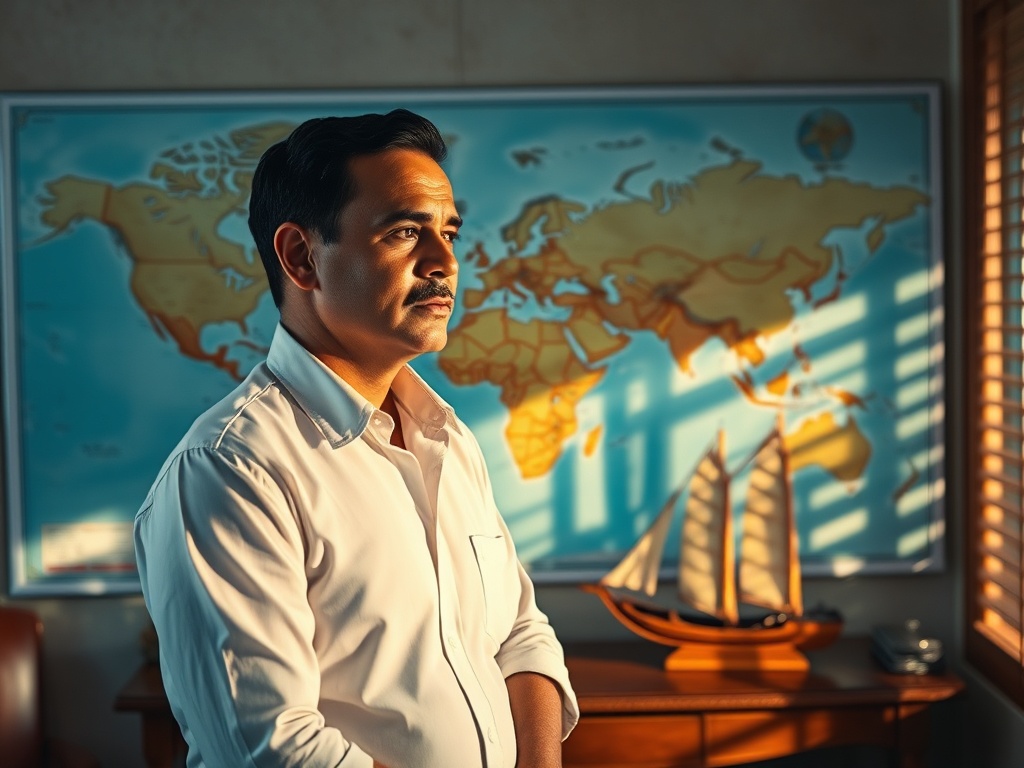
Maldivian Diplomat at the World Map's Strategic Crossroads
In the intricate chessboard of international relations, small island nations like the Maldives operate within a delicate framework of constraints and opportunities. The current global landscape, marked by shifting alliances and technological arms races, presents both unprecedented challenges and strategic openings for nations with limited geopolitical weight.
The fundamental reality for small states is that their security and prosperity often depend on astute diplomatic positioning rather than military might. While larger nations like Nigeria and Venezuela possess resources that grant them leverage in global confrontations, smaller countries must rely on strategic partnerships and multilateral engagement. This dynamic creates a perpetual balancing act—maintaining sovereignty while acknowledging the practical limitations of size and resources.
Recent technological developments underscore this challenge. As major powers like China and the United States race to dominate emerging fields like artificial intelligence and advanced manufacturing, the technological gap between global leaders and smaller nations widens. The emergence of flying car factories and AI platforms represents not just industrial advancement but potential shifts in global power structures that could marginalize smaller players.
The Maldives' own diplomatic approach reflects this complex reality. The nation's foreign policy has evolved from pure diplomacy to what might be termed 'applied diplomacy'—pragmatic engagement that balances ideological principles with practical necessities. This includes navigating relationships with multiple global powers simultaneously, leveraging geographic significance, and identifying strategic opportunities in an increasingly multipolar world.
Immigration and identity politics further complicate this landscape. Unlike nations built on immigration, the Maldives maintains a distinct cultural and historical identity that informs its approach to sovereignty and international engagement. This cultural specificity shapes how the nation positions itself in global discussions about human rights, development, and international cooperation.
The current environment demands that small states develop sophisticated diplomatic capabilities—understanding power dynamics, recognizing strategic vulnerabilities, and identifying opportunities for influence. For the Maldives, this means cultivating relationships that serve national interests while preserving cultural identity and political independence in an era of great power competition.
Ultimately, the challenge for small nations is not merely survival but meaningful participation in shaping the international order. This requires diplomatic agility, strategic foresight, and the wisdom to recognize that in global politics, influence often derives not from size alone but from the ability to navigate complexity with principle and purpose.
— Source fragments: Discussions about small vs large state capabilities, diplomatic strategies, technological competition between China and US, immigration and national identity differences