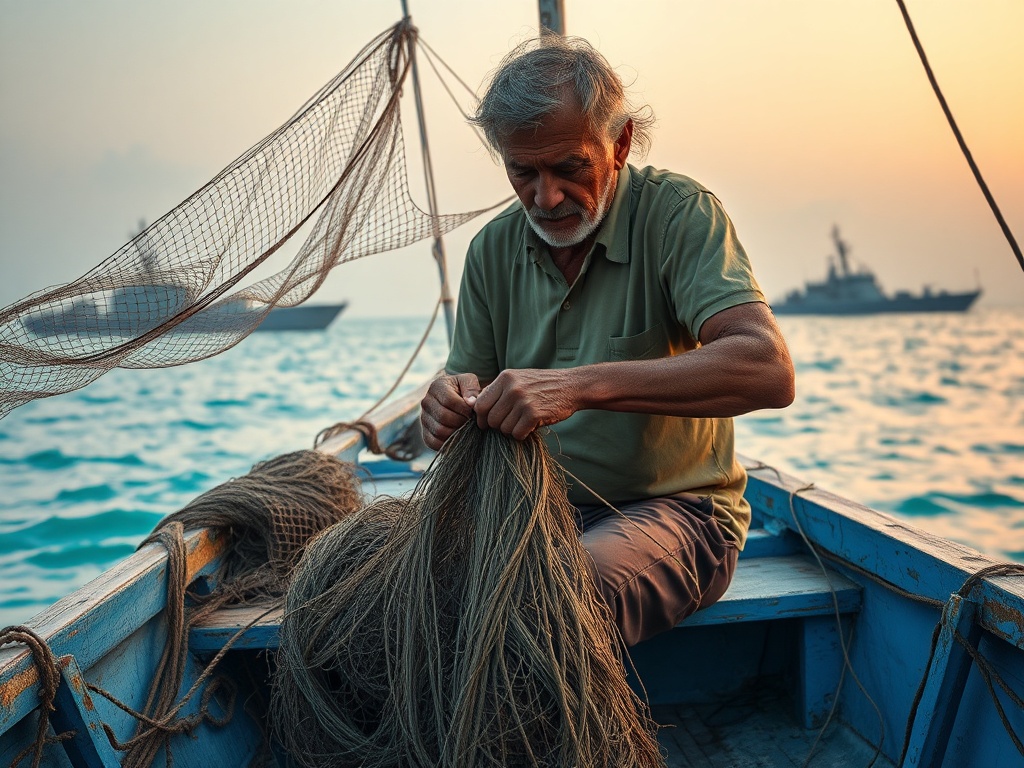
Maldivian Fishermen, Foreign Warships on the Horizon
In the crowded digital forums where Maldivian political discourse unfolds, a recurring theme emerges—the delicate balancing act of foreign policy in a nation caught between regional powers and global ambitions. The presence of foreign military forces, particularly from neighboring India, has become a flashpoint in public debate, raising fundamental questions about national sovereignty and international leverage.
Many citizens express concern that hosting foreign troops compromises the Maldives' negotiating position in bilateral engagements, particularly when seeking loans and development assistance. This sentiment fuels arguments for a non-alignment policy that would allow the archipelago nation to maintain greater independence in its foreign relations. The underlying fear is that military partnerships create dependencies that limit diplomatic flexibility.
The debate has taken on additional complexity as accusations fly about misinformation and credibility in public discourse. When official statements from foreign ministries are questioned alongside local publications, it creates an environment where trust in institutional communication becomes as important as the policies themselves. This erosion of confidence in official channels reflects broader anxieties about transparency in international relations.
Meanwhile, the Maldives faces parallel challenges in other geopolitical arenas. The ongoing Chagos Archipelago dispute highlights how smaller nations can become collateral damage in agreements between larger powers. The risk of legal blind spots emerging from international negotiations underscores the vulnerability of island nations in global politics.
These foreign policy debates occur against a backdrop of pressing domestic concerns—from economic pressures and housing shortages to healthcare inadequacies. Many Maldivians recognize that international relationships directly impact these domestic issues, whether through development aid, trade agreements, or diplomatic support.
The fundamental question emerging from these discussions is whether non-alignment represents a pragmatic path forward or an unrealistic ideal in an interconnected world. As one of the world's smallest Muslim nations, the Maldives must navigate relationships with regional powers while preserving its cultural identity and political sovereignty. The challenge lies in forging partnerships that support development without creating dependencies that limit future options.
What remains clear is that Maldivians are increasingly engaged with these geopolitical questions, recognizing that decisions made today about foreign military presence and international alliances will shape the nation's trajectory for generations. The conversation reflects a mature understanding that in global politics, even the smallest nations must think strategically about their place in a complex web of international relationships.
— Source fragments: Concerns about Indian military presence affecting lobby power; advocacy for non-alignment policy; questions about credibility in foreign policy discourse; reference to Chagos dispute and legal blind spots