Maldivian Nurses' Overtime Caps, Foreign Nurses' Full Allowances
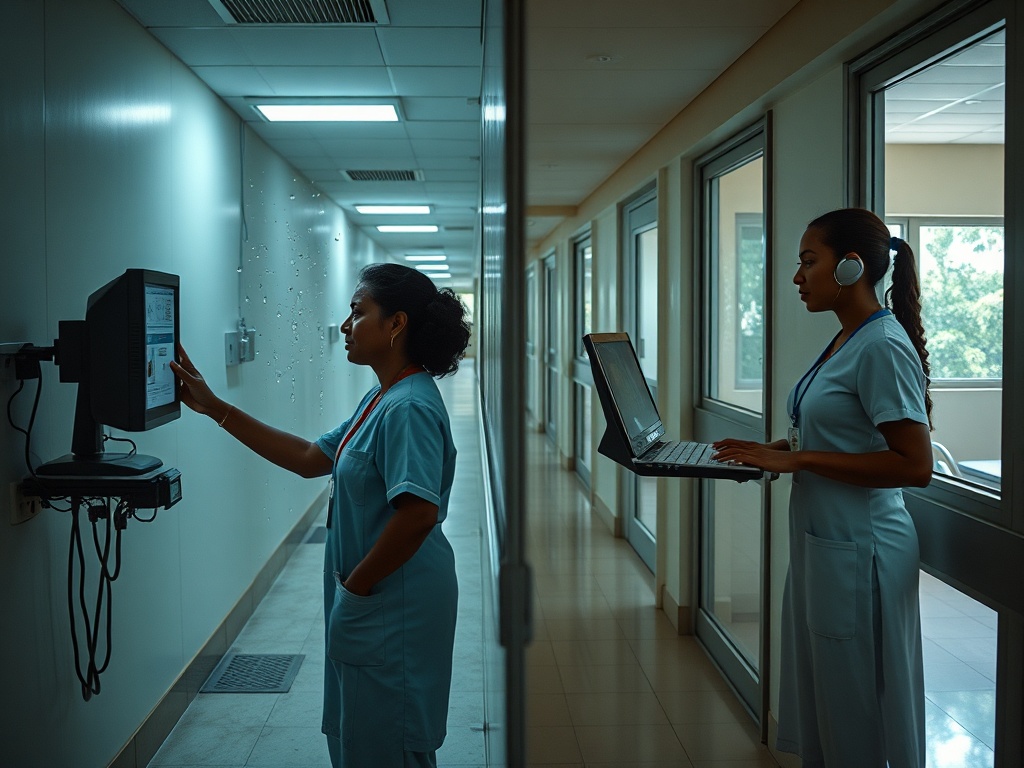
In the corridors of IGMH, a stark divide runs through the nursing staff. Maldivian nurses work under strict overtime caps while their expatriate counterparts face no such limitations. The inequality extends further—foreign nurses receive accommodation and food allowances, benefits denied to local nurses paying Malé's exorbitant rents. This isn't an isolated administrative oversight but rather a symptom of a broader structural imbalance permeating Maldives' workforce.
The healthcare sector's disparities mirror patterns seen across the economy. In resorts, nearly half of top management positions are held by Sri Lankan professionals, with numerous contracts flowing to Sri Lankan companies. While this international collaboration brings expertise, it raises fundamental questions about reciprocity and the development of local capacity. The conversation has shifted from blaming individual foreign workers to examining why Maldivian political leadership has consistently neglected the labor sector—a field so marginalized it lacks even a dedicated ministry.
Meanwhile, parallel systems of employment reveal different forms of inefficiency. Island communities grapple with politically-appointed committees drawing salaries of 5,000 to 8,000 Rufiyaa monthly while contributing minimal economic value. At Rashahge Fenakaa Station, twenty workers perform duties that require only ten—a clear case of bureaucratic bloat serving political rather than practical purposes.
Workplace safety remains another critical concern. Following yet another fatal accident at Maldives Ports Limited, questions arise about the enforcement of occupational health and safety regulations enacted over a year ago. The competence of institutions and accountable managers is under scrutiny as workers question whether their lives are truly valued.
The employment landscape presents Maldivians with difficult choices. Jobs become traps that nonetheless put food on the table. The government's vacancy screening system, largely unchanged since the 1990s, creates additional barriers. Many feel meaningful employment requires political connections, summed up in the bitter observation that finding work shouldn't require 'licking Muizzu's shoe.'
This complex web of issues—from unequal benefits and safety failures to political patronage and foreign labor dependence—points to systemic failures that transcend individual workplaces. The debate now centers on whether political will exists to create a labor ecosystem where Maldivian professionals receive fair compensation, safe working conditions, and genuine opportunity rather than hollow appointments. As one healthcare worker's plight demonstrates, the human cost of these imbalances is measured in daily struggles and compromised dignity.
— Source fragments: Maldivian RN OT cap vs expat nurses without cap; expat accommodation/food allowances not given to locals; Sri Lankan dominance in resort management; lack of labor ministry; political appointments with 5k-8k salaries without economic value; OHS law enforcement failures; government screening system described as disaster from 90s; employment requiring political connections