Maldivian Parliamentarians Back Digital Transformation Bill to Modernize Public Services
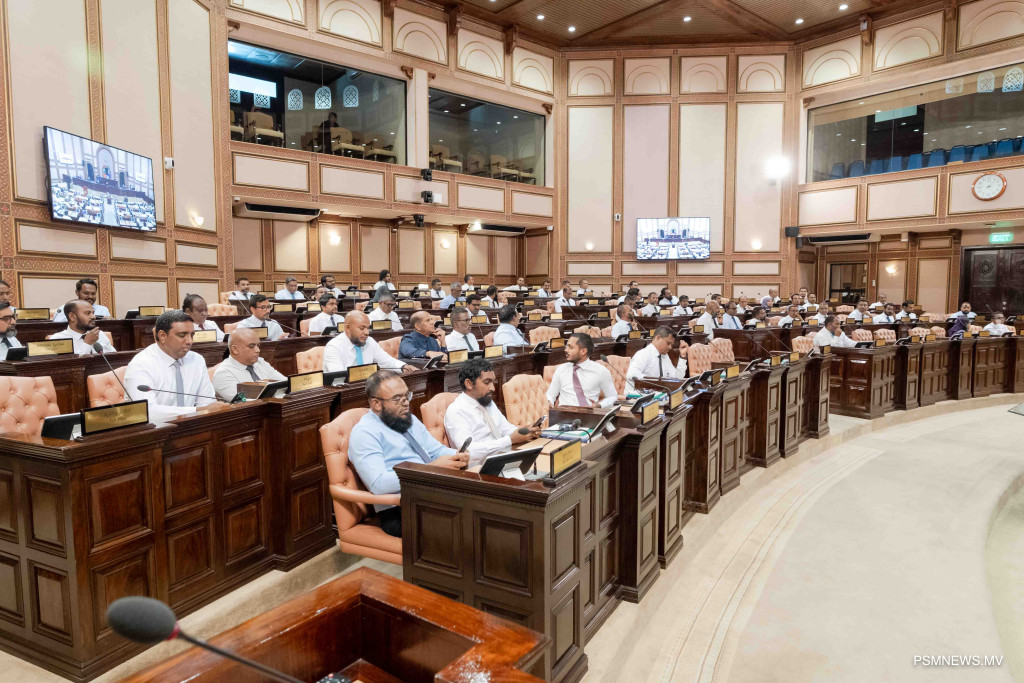
Parliamentarians have hailed the proposed Maldives 2.0 Digital Transformation Bill as a cornerstone for the nation's future as debates commenced in the Majlis (Maldivian Parliament). The government-backed legislation aims to establish a comprehensive legal framework to accelerate the country's shift toward a 'Digital First Nation.'
Introduced by Mohamed Ali, the Parliamentarian for Gadhdhoo, the bill seeks to standardize how government agencies develop software and procure digital systems. Supporters argue that the legislation will eliminate the current fragmented approach, where government offices operate in isolation, by implementing mandatory requirements and unified criteria for all digital infrastructure.
During the debate, Parliamentarian Mohamed Mamdhooh of Funadhoo emphasized that the bill is essential for transparency and accountability. He noted that modernizing government services through a strong legal framework would help close existing gaps that have historically enabled corruption and the misuse of public resources, regardless of the administration in power.
Mamdhooh further highlighted the synergy between this bill and other pending legislation, such as the Data Protection and Cybersecurity Bills. He stressed that while the Maldives has long collected vast amounts of personal data, it has lacked the necessary legal protections—a void this legislative push aims to fill.
Ismail Nizar, Parliamentarian for Feydhoo North, added that the bill provides the critical legal authority required for the operational success of Maldives Digital Services. He framed the legislation not merely as a technical update, but as a strategic necessity for national development.
While the bill received broad support, Parliamentarian Ameen Faisal of Kanditheemu urged the reviewing committee to conduct extensive consultations. He called for the inclusion of a-political industry experts and young Maldivian tech professionals to ensure the highly technical nature of the bill is refined by those with specialized expertise.
The session also addressed concerns from some opposition members who suggested the bill could pave the way for electronic voting. However, the majority of participating Parliamentarians dismissed these claims, asserting that the current draft contains no provisions relating to electronic voting systems.