Maldivian politics transcends left-right ideologies
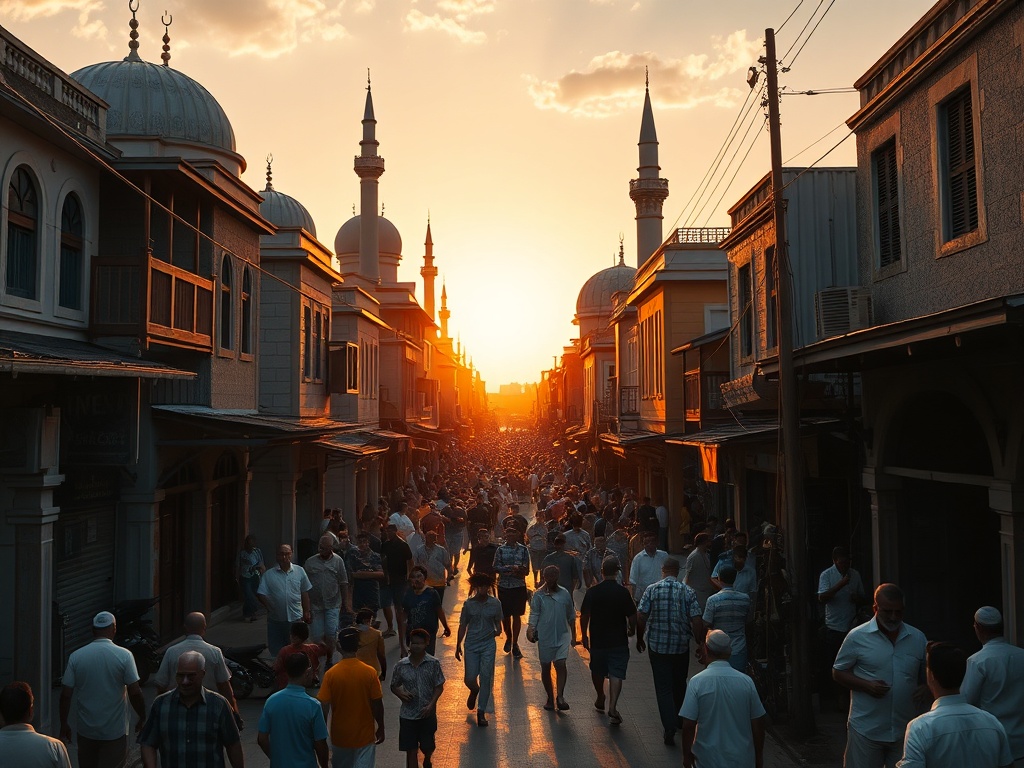
Walking through Malé's crowded streets during evening prayer time, the call to prayer echoes from multiple mosques simultaneously, creating a harmonious chorus that blankets the city. This daily rhythm reminds us that our political conversations begin from a fundamentally different starting point than those in Western nations. The idea that left-right political spectrums don't quite fit our reality resonates deeply because our debates aren't about whether Islam should influence governance, but how it should manifest in our laws and policies.
Our political divisions aren't between secular and religious camps, but between different interpretations of how Islamic principles should guide our nation's development. The conversation about whether we're reading half of someone's tweet or everyone else's speaks to how our political discourse often gets misinterpreted by outsiders who try to fit our reality into their familiar frameworks. When we discuss economic policy, it's not about capitalism versus socialism, but about how to ensure equitable distribution while maintaining our Islamic values and national sovereignty.
The youth in coffee shops discussing politics aren't debating whether we should be a Muslim country—that's our foundation. They're discussing how to navigate global economic pressures while preserving our identity, how to create jobs for Maldivians without compromising our values, and how to maintain sovereignty in a region with competing powers. These conversations happen in Dhivehi, infused with cultural references and shared understanding that outsiders might miss when they try to translate our politics into their ideological categories.
Our political landscape reflects the reality that we're navigating modern governance while maintaining a 2,500-year-old civilizational identity. The current government's focus on sovereignty and economic development, the opposition's emphasis on democratic institutions, and various religious perspectives all operate within this Islamic framework. What appears as political conflict to outsiders is often our society working through how to apply timeless principles to contemporary challenges.
This unique political ecosystem means our solutions must be homegrown. We can't simply import policy templates from left or right ideologies elsewhere. Our approach to tourism development, foreign relations, economic management, and social welfare must all be filtered through our Islamic values and Maldivian context. The sea that surrounds us isn't just geography—it's a metaphor for how we've always had to navigate our own course, distinct from continental political traditions.
As we move forward, this understanding gives us both challenge and opportunity. The challenge is that we must continually develop our own governance models rather than adopting ready-made solutions. The opportunity is that we can create something truly authentic—a political system that reflects who we are as a people, rooted in our faith, our history, and our unique island reality.