Maldivian Voters Now Ask: Where Are the Jobs, the Land, the Plans?
In the crowded political landscape of the Maldives, where personalities often dominate headlines, a quiet revolution is taking place in voter expectations. The familiar cycle of political allegiances and charismatic leadership is giving way to something more substantive: a demand for detailed policy frameworks that address the nation's most pressing challenges.
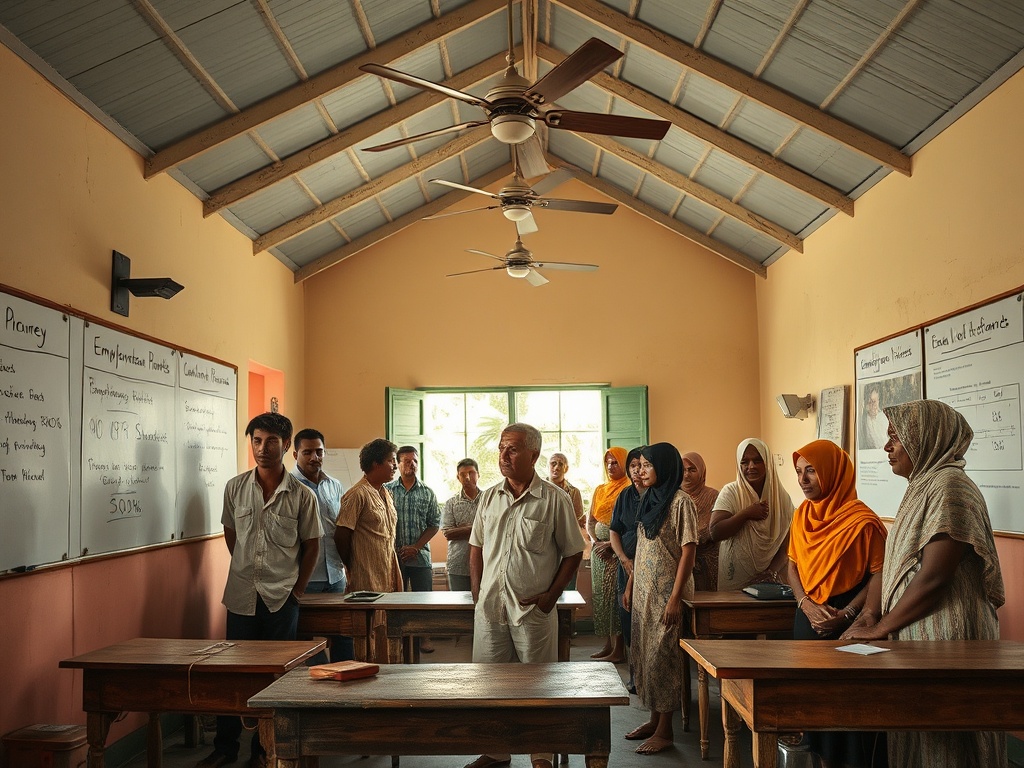
The conversation has moved beyond who occupies the highest offices to what they actually plan to do. Voters increasingly insist on seeing specific policy proposals rather than political pedigrees. The sentiment echoes across social media and public forums: "We don't care for the person. You can nominate a cat even, we don't care. But tell us what are the policies."
This shift reflects growing frustration with governance that often prioritizes political loyalty over practical solutions. The demand for clarity extends to critical areas like land policy, with citizens questioning whether distribution will be equitable or discriminatory. In a nation where housing remains a persistent crisis and land allocation has historically been politicized, the question of whether policies will be "racist" touches on deeper concerns about fairness and access to resources.
Employment policy represents another battleground for specificity. The call for "target numbers such as expat to local ratio in resorts" speaks to broader anxieties about economic sovereignty and job creation. With tourism driving the economy but many resort owners parking profits abroad, citizens want measurable commitments to local employment and skills development. The expatriate workforce, while essential, has become a flashpoint in discussions about economic opportunity and cultural preservation.
Governance reforms are also entering the mainstream discourse. Proposals to restructure police administration under municipal control—suggesting Male'-PD, Addu-PD, and regional divisions—signal a desire for decentralized authority and community-oriented policing. The playful suggestion of "Atholhu Sheriffs" masks a serious conversation about how security services can better reflect local needs and accountability structures.
Meanwhile, the machinery of government continues its operations, with council votes and bureaucratic decisions proceeding amid these broader questions. The 4-1 vote to approve property purchase and renovation, with one dissenting voice, represents the ongoing business of governance even as citizens demand more transparency in how these decisions are made and executed.
This emerging demand for policy substance over personality politics represents a maturation of Maldivian democracy. Voters are no longer satisfied with promises; they want plans. They're looking beyond the governor who might obstruct progress to the systems that will enable it. As one observer noted, the only real test will be how those in power respond to this new reality—whether they will provide the detailed policy roadmaps citizens now expect or continue relying on political theater that increasingly fails to resonate.
— Source fragments: We don't care for the person. You can nominate a cat even, we don't care But tell us what are the policies. -What will be the land policy? will it be racist? -What will be the jobs policy? give us target numbers such as expat to local ratio in resorts. -Tell us about airport; Police should go under the mayor or council. We can have Male'-PD Addu-PD Kulhudhufushi-PD Thenadhoo-PD Baa PD Noonu PD Alif-Alif PD; We can have sheriffs too Atholhu Sheriffs; the only real obstruction would be the governor. guess we'll have to wait and see how he deals with it