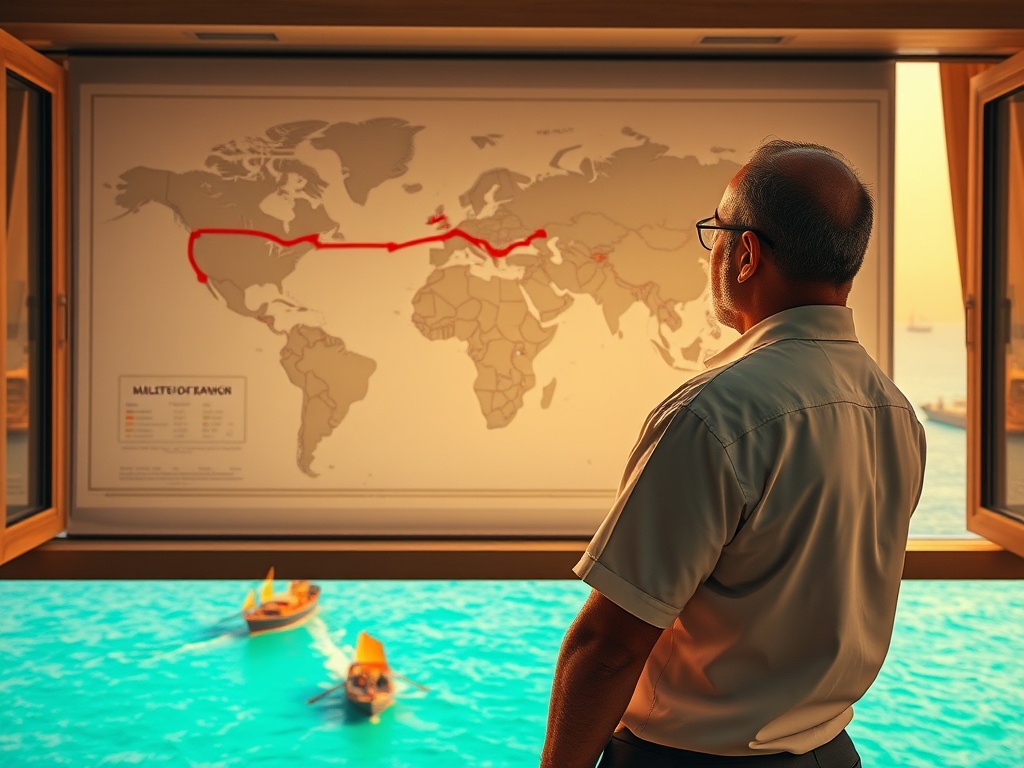
Maldivians Debating Superpowers on Social Media
The conversation unfolding across Maldivian social media platforms reveals a nation grappling with its place in an increasingly complex global order. From discussions about Singapore's strategic military positioning to analyses of US-China technological competition, Maldivians are weighing how small states navigate relationships with global powers.
The debate touches on fundamental questions of sovereignty and strategy. Some argue that small nations like the Maldives must master the art of 'applied diplomacy'—pragmatic engagement that serves national interests without compromising independence. This approach recognizes that while pure diplomacy has its place, sometimes more calculated maneuvers are necessary.
Recent discussions about potential alliances reflect this pragmatic thinking. The suggestion that the Maldives might consider more direct relationships rather than operating through intermediary states speaks to a desire for clearer, more transparent international partnerships. This mirrors ongoing public discourse about the nation's foreign policy direction and its relationships with regional powers.
The technological dimension of global competition hasn't escaped Maldivian observers either. Comments about AI and advanced manufacturing highlight awareness that the next phase of superpower rivalry will be fought in laboratories and tech hubs, not just on battlefields. This technological awareness is particularly relevant for a nation seeking to modernize while preserving its cultural identity.
What emerges from these conversations is a sophisticated understanding of power dynamics. Maldivians recognize that while large nations like Nigeria and Venezuela may have more resources to challenge superpowers, small states must rely on different tools: strategic positioning, diplomatic agility, and the careful cultivation of international relationships.
The underlying theme is one of agency—the belief that even small island nations can exercise meaningful choice in their foreign policy. Rather than being passive observers of global events, Maldivians are actively debating how to navigate the treacherous waters of international relations while protecting national interests and cultural identity.
As one commentator noted, the distinction between nations built on immigration and those with deep-rooted cultural traditions matters in how they approach international engagement. For the Maldives, this means finding a path that acknowledges both its Islamic identity and its strategic location in the Indian Ocean.
— Source fragments: Discussions about Singapore's strategic military positioning, applied diplomacy versus pure diplomacy, small state agency in international relations, comparisons between immigrant nations and cultural nations, technological competition between superpowers