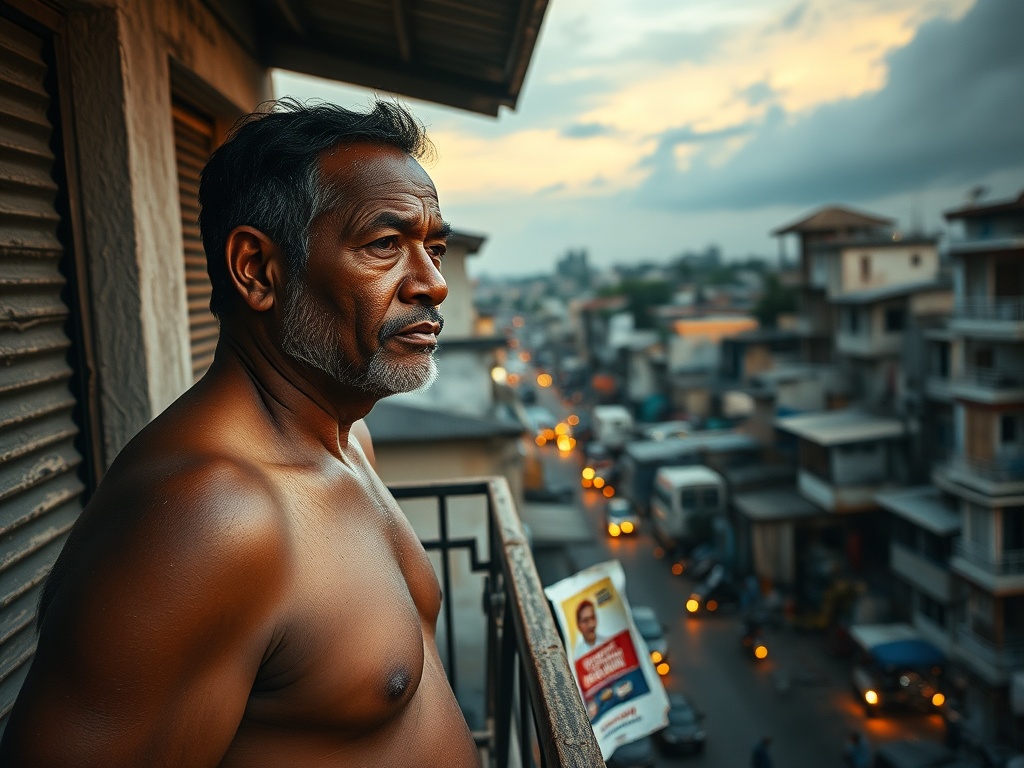
Maldivians Watch the Same Political Play, Year After Year
Across the Maldives, a quiet but profound disillusionment is settling over the political landscape. It's not merely disappointment in individual leaders or parties, but a deeper fatigue with the entire political ecosystem—a sense that the same patterns repeat regardless of who holds power.
The sentiment echoes through conversations in Malé's coffee shops and across social media: voters who once backed candidates as the 'lesser evil' now question whether any political figure can deliver meaningful change. The choice between returning to a party that governed for five disappointing years versus embracing a newcomer who pledged reform has left many feeling trapped. When new leaders emerge, they often appear constrained—whether by internal party dynamics, external pressures, or the sheer weight of the system itself.
This disillusionment manifests in concrete ways. The 'India Out' campaign, for instance, continues to resonate not just as a foreign policy stance but as symbolic of broader demands for transparency and sovereignty. Citizens file Right to Information requests, push for disclosures, and engage in public discourse, yet many feel their efforts yield little substantive change.
Party politics itself appears increasingly fragmented and self-contradictory. Supporters of candidates with identical names accuse one another of collusion with the very establishment they claim to oppose. The spectacle of internal party squabbles—where mayoral candidates bearing the same name face accusations of secret dealings—only deepens public skepticism about political authenticity.
What emerges is not apathy but a conscious withdrawal from partisan allegiance. Some citizens are declaring independence from political parties altogether, vowing to continue advocating for causes without aligning with any political machine. They're tired of the cycle: backing a new party, watching it become what it once opposed, then starting the process again with another new entity.
Questions about leadership quality persist. Can politicians transform themselves into genuine statesmen? Do any have the vision and capability to address the nation's pressing challenges—from economic pressures and housing shortages to healthcare inadequacies and youth unemployment?
The current political moment feels transitional. Many believe they're witnessing a one-term presidency, while former leaders explicitly rule out future candidacies. This creates a vacuum—not just of individuals, but of credible alternatives that can inspire public trust.
What remains is commitment to causes rather than parties. The determination to continue fighting for transparency, accountability, and national interest persists, even as faith in political vehicles diminishes. This isn't victimhood but rather a pragmatic reassessment—a recognition that change might require pathways outside traditional political structures.
As the Maldives navigates complex challenges from foreign relations to domestic governance, this growing political disillusionment may prove to be one of the most significant forces shaping the nation's future. It represents not surrender but a recalibration of how citizens engage with power—and what they expect from those who wield it.
— Source fragments: Muizzu backtracking due to lack of party strength, choice between returning to MDP or new candidate, India Out transparency efforts, leaving parties but not causes, backing lesser evil not working, party infighting and accusations, leadership quality questions, one-term presidency expectations