Malé City Hospital CEO Warns of Crisis as Nurse Retention Rates Plummet
The Malé City Group of Hospitals (MCGH) is facing a critical shortage of nursing staff, driven by a widening gap between the number of graduates entering the field and those who remain in the profession.
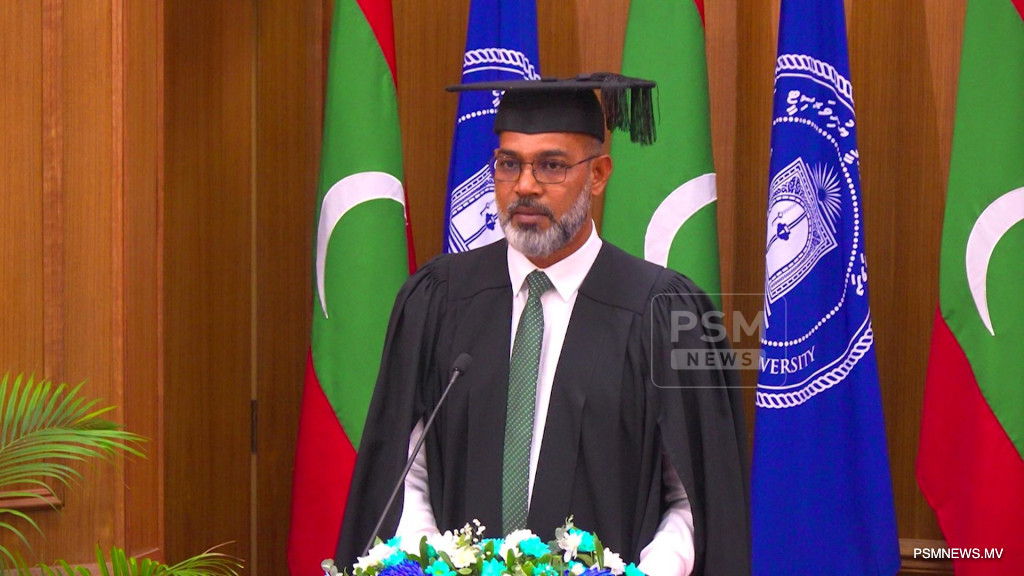
Speaking at the Maldives National University School of Nursing graduation ceremony, CEO Ibrahim Abdul Razzaq Haleem described the nursing profession as a vital pillar of the healthcare system. While celebrating the new graduates, Haleem raised alarms over the low retention rates of trained nurses, noting that many leave the service shortly after joining.
This systemic instability has forced MCGH to rely heavily on international recruitment to maintain basic operational standards. The hospital group has recently recruited approximately 75 foreign nurses to fill vacancies and support expanding healthcare services. Haleem emphasized that a stable and specialized local workforce is essential not only for clinical quality but for increasing public confidence in the national health system.
Beyond retention, the CEO highlighted a stagnant trend in professional growth. He noted that very few nurses pursue necessary specializations after completing their initial degrees, citing a failure to fully utilize available vocational training opportunities as a major barrier to the profession's evolution.
As the Maldives expands its healthcare infrastructure—including the development of a new hospital in Vilimale’—Haleem stressed that physical buildings alone are insufficient. He urged nursing professionals to commit to lifelong learning and specialization to ensure that new facilities are staffed by a robust, highly skilled local cadre.
According to Haleem, the patient experience, from admission to discharge, depends entirely on the presence of compassionate and competent nurses. He called for an urgent shift in how the profession is supported to ensure the long-term sustainability of healthcare delivery in the capital.