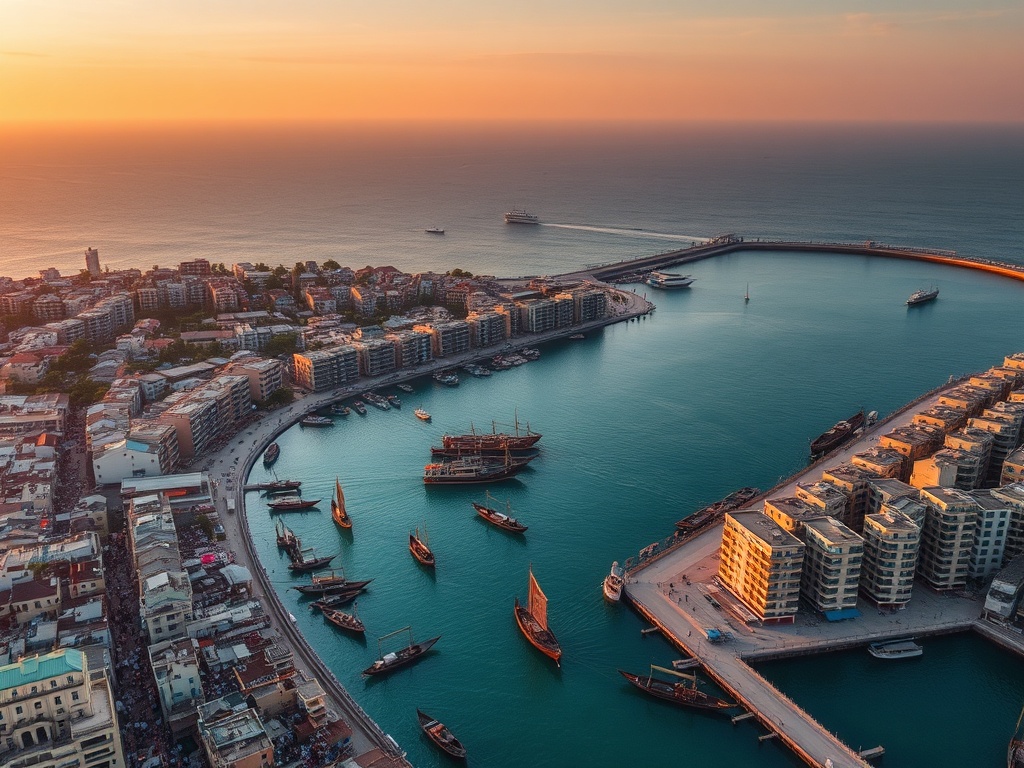
Malé's Crowded Balconies Against the Turquoise Sea
Sometimes I stand on the edge of Malé and watch the sea stretch out like a promise. The water is the same turquoise you see in tourist brochures, but from here, the horizon feels different. It’s not just beauty—it’s escape. The city behind me hums with a different kind of current: the press of too many people in too little space, the weight of jobs that never come, the quiet ache of medicines that aren’t there when you need them.
We live in a nation of contrasts. Our islands are postcard perfection, yet our capital breathes with the labored rhythm of congestion. Housing projects rise like modern atolls, but the keys often go to those who treat them as investments rather than homes. The same sea that brings tourists—and their dollars—also carries away our youth, chasing opportunities on foreign shores or sinking into the numb embrace of addiction.
There’s a tension in the air, thicker than the humidity. It’s in the way we talk about money—how it seems to evaporate between paychecks, how the rufiyaa feels fragile in our hands. It’s in the unspoken competition for work, where local hands and foreign ones reach for the same opportunities, sometimes with unequal footing.
Yet beneath it all, there’s a resilience as deep as our oceans. We find ways to navigate these currents—through family, through faith, through the small kindnesses that bridge our divides. We remember that these islands have weathered storms before, both natural and man-made. The same sea that challenges us also connects us, reminding us that we are more than our struggles.
Perhaps what we’re really navigating is the space between the paradise we present and the reality we inhabit. Between the dream and the waking life. Between the deep blue horizon and the crowded shore. And in that navigation, we find our true strength—not in pretending the challenges don’t exist, but in facing them together, with the same determination our ancestors used to read the stars and sail these waters.
— Source fragments: Housing crisis in congested capital Malé, high cost of living, youth unemployment and drug use, medicine shortages, expatriate competition for jobs, tourism economy benefits not reaching locals