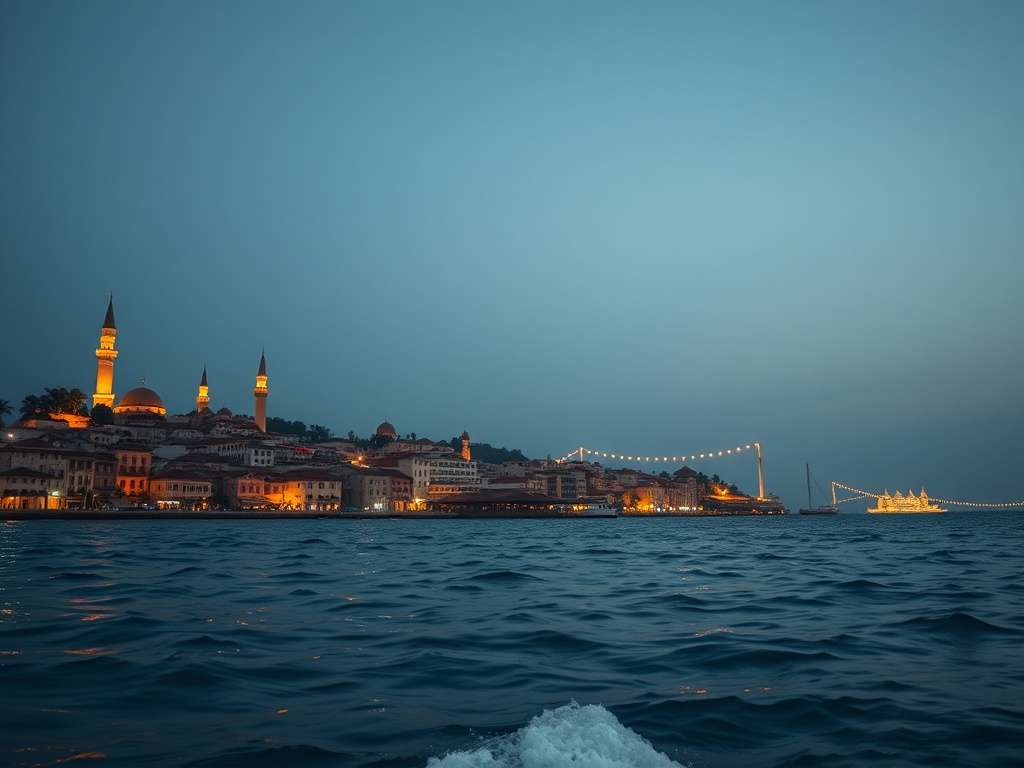
Malé's Dense Skyline and the Distant Glow of Resort Islands
A sense of economic unease permeates the national conversation in the Maldives. The recent return to STO rates and a cap on remittances are not seen as isolated policy shifts but as symptoms of a deeper structural fragility. The World Bank's forecast of a modest 3.9% GDP growth for 2026 feels jarringly low for a nation accustomed to more robust expansion, prompting a fundamental question: what is the government's economic vision beyond the well-trodden path of tourism?
The debate quickly moves beyond simple growth metrics to the very architecture of Maldivian prosperity. Critics argue that current policies appear to disproportionately favor a privileged few, particularly those with stakes in the dominant tourism sector. The perception is that inequitable wealth distribution is not an accidental byproduct but a feature of a system where prime real estate and lucrative opportunities are concentrated. This creates a palpable tension, a feeling that the economic playing field is far from level.
Central to this anxiety is the overwhelming dominance of tourism, which generates the bulk of national revenue. While its pioneers are credited with transforming the economy, their legacy is now being scrutinized. A counter-narrative suggests this focus came at a steep opportunity cost, with some arguing that other potential industries, such as shipping, were sidelined and might have offered even greater returns. This historical 'what if' fuels present-day frustration about a lack of economic diversification.
The discussion also turns inward, questioning national capacity and priorities. The state of the national airport and banking system are cited as examples of chronic underinvestment in public infrastructure, which in turn affects the tourism product itself. The government's financial constraints are acknowledged—billions in loans, a housing crisis, an overloaded healthcare system—but this raises further questions about fiscal responsibility and the sequencing of new initiatives. The fear is that policies, even if well-intentioned, are being applied without a realistic assessment of the country's strained resources, potentially pushing an already struggling economy further into difficulty.
Ultimately, the conversation reflects a nation at a crossroads. There is a clear desire to move beyond a economy that feels precarious and exclusive. The core demand is for a more revolutionary approach to economic management—one that harnesses the success of tourism but builds a more resilient, diversified, and equitable foundation for all Maldivians, not just a select few. The path forward requires honest reckoning with past choices and a clear-eyed strategy for the future.
— Source fragments: Used fragments discussing: return to STO rates/remittance caps; low GDP growth forecast; critique of policies favoring privileged few/real estate; debate over tourism's legacy vs. other industries like shipping; concerns over national infrastructure (airport, banking); acknowledgment of national debt/housing/healthcare constraints; call for economic revolution and equitable development.