Malé's Freedom Meant Slavery for the South
The promise of Maldivian independence carried a hidden clause. For generations, the narrative of national freedom has been monopolized by Malé, while the atolls—the true producers of the nation's wealth through fisheries, labor, and resources—found themselves in a state of perpetual servitude to the center.
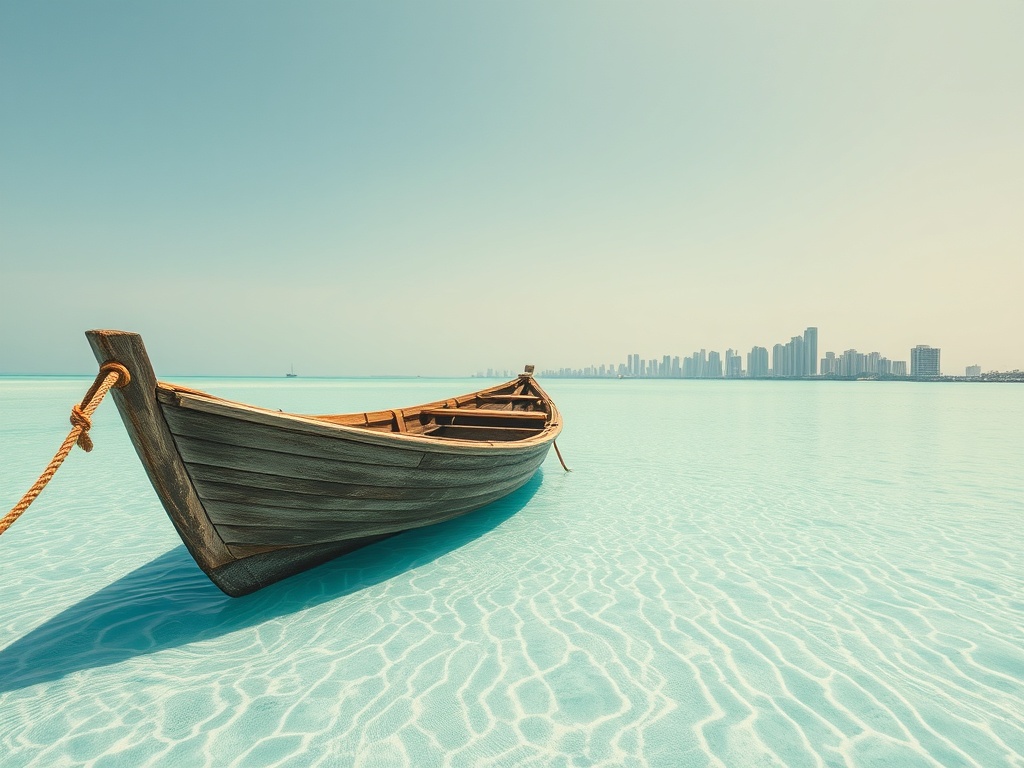
This is a fundamental philosophical contradiction at the heart of the nation's identity. A highly centralized ruling structure, concentrated in Malé, operates in a parallel reality to the daily struggles in the atolls. The capital's skyline of concrete and glass was financed by resources systematically drained from these peripheral communities. What was celebrated as Malé's development was a sentence of deprivation for the atolls. Their seas were fished, their youth migrated for opportunity, and their potential was stunted to feed the insatiable growth of the capital.
In Addu, this historical inequity has fostered a complex local consciousness. There is palpable frustration with a perceived lack of agency and collective initiative, a sense that local solutions are stifled by both dependency on central authority and internal disunity. The political division of communities, such as the separation of Hulhumeedhoo, is seen as a deliberate strategy to fracture regional solidarity and weaken any collective voice that could challenge the status quo.
This internal discord is further complicated by a social landscape where decency and civic responsibility are publicly debated, and where xenophobia often masquerades as nationalism. Public discourse is increasingly poisoned by normalized racism, particularly against Indian nationals and Bangladeshi migrant workers. This sentiment is cynically fostered and exploited by political actors to divert attention from systemic failures. The state's xenophobic policies are often met with public acquiescence or support, revealing a society conditioned to view the 'other' as a threat rather than addressing the profound governance and economic crises that fuel its own discontent.
The core struggle transcends infrastructure or budgets. It is a battle for a national philosophy that has yet to be written—one where freedom is not a zero-sum game between the capital and the atolls, where the nation's wealth benefits those who create it, and where the right to exist and prosper is not contingent on one's postcode or ethnicity. Until this philosophy is defined and embraced, the Maldives remains a nation liberated in name but still waiting to be free in practice.
— Source fragments: Struggles between centralized Malé rule and atoll realities; resource deprivation of wealth-producing regions; questioning of national philosophy; assertion that 'Malé freedom meant slavery for the south'; critique of Addu's lack of collective initiative and internal division; observations on normalized racism against Indians and xenophobia toward migrant workers; debate on local character and decency.