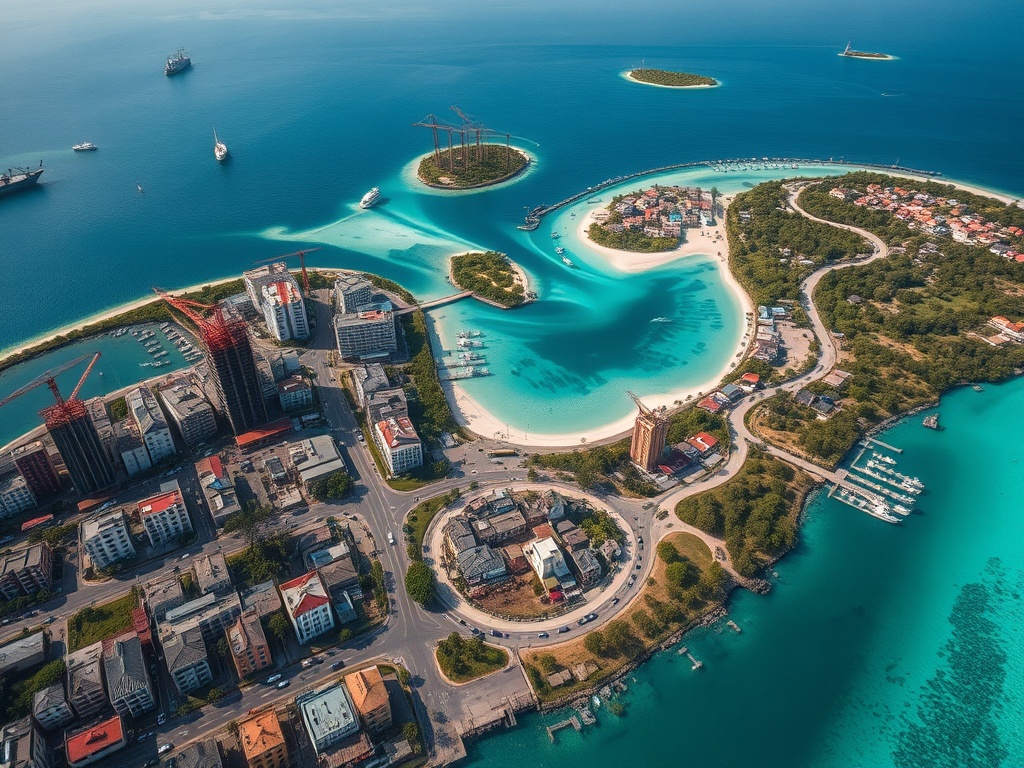
Malé's Gridlock and the Atolls Left Waiting
The collective voice emerging from online discussions paints a picture of development aspirations repeatedly colliding with implementation failures. Across the archipelago, from the congested capital to the neglected atolls, a pattern emerges: grand plans announced with fanfare, followed by years of delays, cost overruns, and compromised outcomes.
At the heart of this frustration lies the stark contrast between development promises and lived reality. The call for building population hotspots with proper infrastructure in the north and south reflects years of perceived neglect in outer islands, where basic services remain inconsistent and economic opportunities scarce. Instead of strategic regional development that could decentralize growth, resources continue flowing disproportionately to housing projects in Malé, further congesting an already strained urban center.
Technical failures compound planning shortcomings. The observation about insulation leaks preventing temperature targets highlights how even when infrastructure materializes, it often falls short of specifications. Compressors running inefficiently, wooden doors with inadequate sealing, systems designed without accounting for local conditions—these are not mere technical oversights but symptoms of a deeper implementation crisis.
Malé's transformation into what some describe as a "dustbin" represents the culmination of these systemic failures. The capital bears the burden of being both the administrative heart and the default destination for those seeking opportunities, yet its infrastructure buckles under the weight. Traffic congestion from prolonged road works, combined with the economic impact of disrupted business activity estimated at millions daily, creates a perfect storm of urban dysfunction.
The timeline of disappointment stretches across administrations. References to projects discussed for over a decade, with costs tripling from initial estimates, point to a persistent pattern of poor project management and institutional incompetence. When citizens report having to triple their prices when dealing with municipal authorities due to "messing about," it suggests systemic inefficiency has become priced into the very economy.
This infrastructure deficit manifests differently across regions but shares common roots: insufficient technical capacity, political interference in project planning, and a tendency to prioritize visible announcements over sustainable execution. The result is a development landscape dotted with half-finished initiatives, overbudget projects, and communities waiting for promises made years ago to materialize.
As the nation grapples with these challenges, the fundamental question remains whether current approaches can deliver the transformation needed. With limited resources and growing expectations, the margin for error narrows with each stalled project and each community left waiting for development that never quite arrives.
— Source fragments: Developing islands neglected, infrastructure needs, Male congestion, project delays, cost overruns, technical failures in construction