Malé's Unspoken Truths: What Our Random Thoughts Reveal About Housing, Cars, and Rising Seas
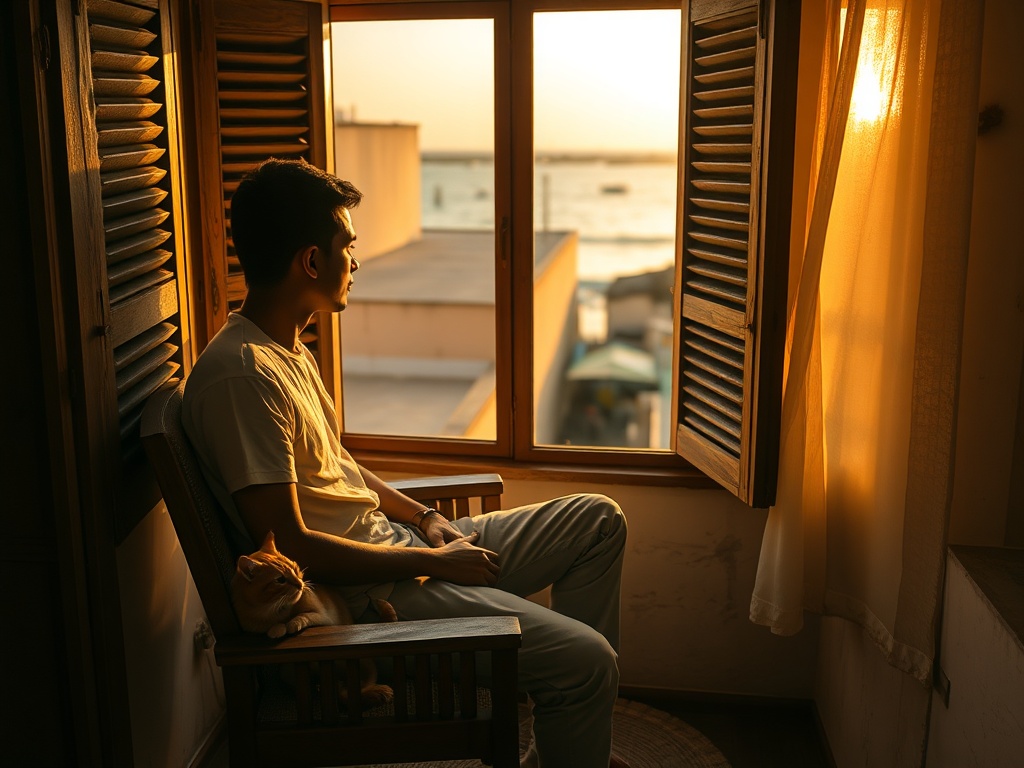
In quiet moments—staring at the horizon or drifting to sleep—our minds wander to what truly matters. These aren't polished thoughts for public consumption but raw, unfiltered currents of consciousness.
In the Maldives, these mental wanderings consistently return to core concerns: housing affordability slipping further from reach, vehicle breakdowns draining wallets and patience, the environmental fragility symbolized by distant albatross colonies, and the quiet comfort of cats amid daily stress.
These seemingly random thoughts map directly onto Maldivian society's structural challenges. The housing crisis in Malé isn't just policy—it's the background anxiety coloring evening conversations. The high cost of living isn't merely economic data—it's why we scrutinize every grocery bill.
When given space, these thoughts form a collective unconscious of societal pressures. The stray cat in a Malé alley symbolizes resilience. The albatross fighting for survival mirrors our anxieties about rising seas. The car that won't start embodies infrastructure and economic strain.
What we dismiss as 'random thoughts' may be our most honest self-conversations—unfiltered processing of daily life in a complex world. They emerge when our guard is down, when we're not performing, when we're simply human in a society demanding we be more.
By valuing these mental wanderings, we might better address the concerns they surface. Solutions to housing, environment, and economic pressures may come not from polished presentations, but from listening to what we truly think when no one's listening.
— Source fragments: random thots of whatever pops into my head, cats, Laysan Albatross on Midway Atoll, being old and falling asleep in my chair, my car problems, housing being too high