Mas Huni Scent and Salt Air in Malé's Narrow Streets
The morning call to prayer echoes across the crowded island, bouncing off concrete buildings that stand shoulder to shoulder. Below, in the narrow streets, the scent of mas huni mingles with the salt air, a familiar comfort in the rising humidity. This is the reality behind the tourism brochures - not of overwater villas and infinity pools, but of a people navigating the quiet tensions of modern island life.
Young men gather at the local coffee shop, their conversations a mix of ambition and resignation. They speak of jobs that don't exist, of qualifications that don't translate, of watching opportunities slip through their fingers like sand. Their dreams are tangible things - a small business, a proper home, a future that doesn't require crossing oceans. Yet they remain, anchored to these islands by something deeper than circumstance.
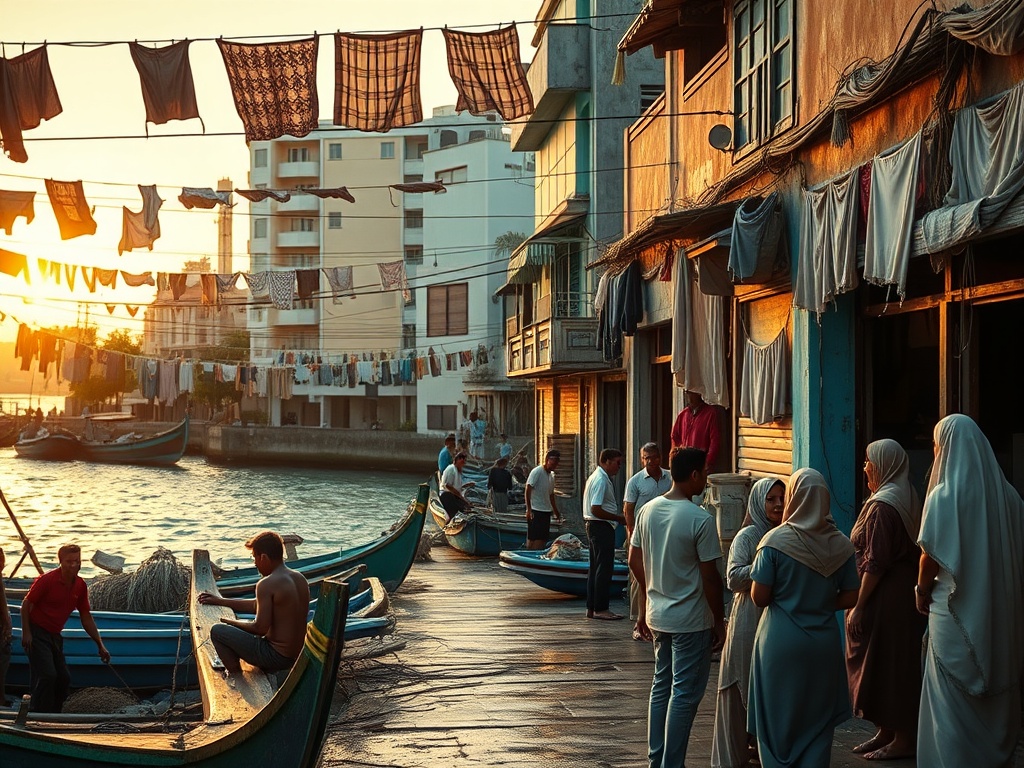
In the harbor, the fishing dhonis return with their catch, their weathered wood telling stories of generations who understood the sea's rhythms. The fishermen speak of changing currents, of waters that feel different now, though the horizon remains the same. Their hands, cracked and salt-weathered, represent a connection to something elemental that modern challenges cannot sever.
At sunset, families gather on their balconies, the sea breeze offering temporary relief from the day's heat. Children play in the spaces between buildings, their laughter rising above the constant hum of generators. In these moments, the weight of economic pressures and political complexities fades, replaced by the simple comfort of community and the enduring rhythm of island time.
The true Maldives exists in these intersections - between tradition and progress, between global aspirations and local realities, between the postcard perfection and the beautiful, complicated truth of daily life. It's in the resilience of people who know that while the waves may change, the ocean remains, and so do they.
— Source fragments: Youth issues: Drug use, unemployment, lack of educational/job opportunities; Housing: Crisis in congested capital, Malé; Economy: High cost of living; Tourism is the main forex source