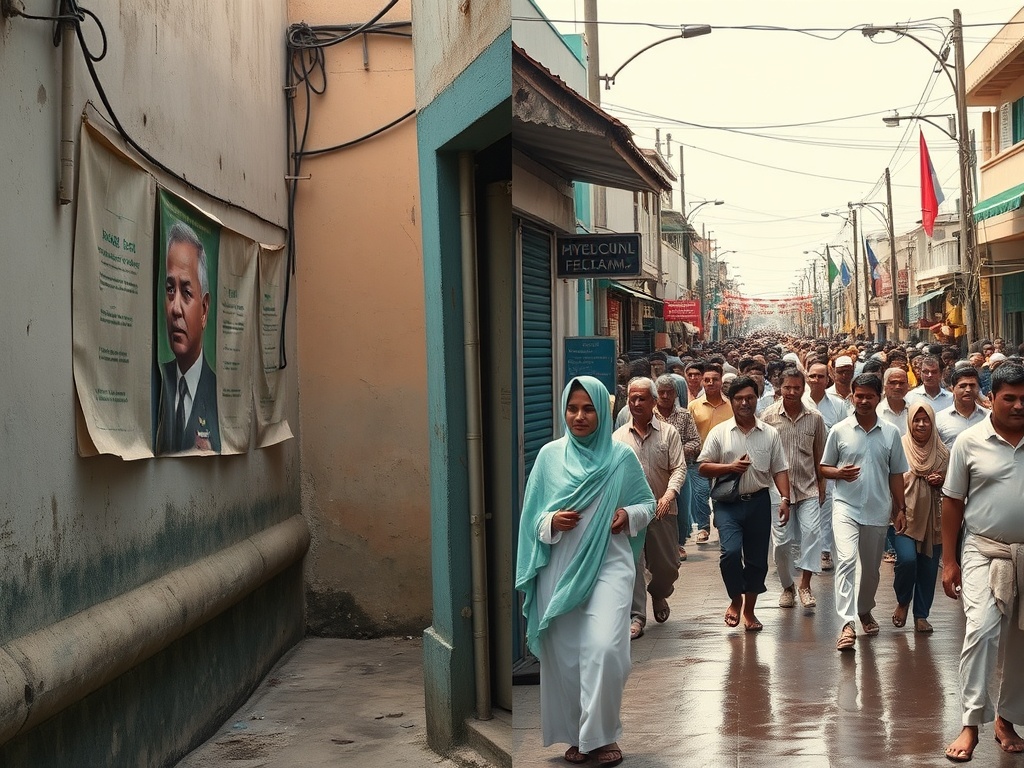
MDP's Empty Posters and Malé's Crowded Streets
In the political landscape of Malé, a sense of inevitability hangs over the upcoming local elections. The ruling PNC watches from the sidelines as its main rival, the Maldivian Democratic Party, navigates what appears to be a period of significant internal strain. The opposition's challenges run deeper than mere campaign strategy—they reflect a fundamental disconnect with the electorate that once propelled them to power.
Observers note that MDP's current predicament stems from failing to understand why they initially gained popularity and why that support eventually eroded. The party that once represented hope for democratic reform now struggles with internal divisions and a leadership crisis that leaves voters questioning their alternatives. The emergence of splinter factions like The Democrats has further fragmented the opposition landscape, creating a power vacuum that benefits the ruling establishment.
The political atmosphere in the capital suggests many Maldivians have grown weary of the constant infighting and perceived lack of direction within opposition ranks. This frustration manifests in comments suggesting that leadership changes might benefit the country, reflecting broader concerns about political stagnation. The sentiment echoes through social media and coffee shop conversations alike—a longing for credible alternatives rather than settling for what many see as the lesser of two imperfect options.
Meanwhile, the ruling party appears content to let the opposition's self-inflicted wounds play out. With local elections approaching, the absence of a coordinated campaign from PNC suggests confidence in their position, banking on voter dissatisfaction with the current opposition landscape. This strategic patience reflects a calculated understanding of the political moment—why intervene when your opponents are doing the work for you?
The fundamental question emerging from this political moment isn't about which party will win the next election, but whether the Maldives' democratic system can produce leadership that addresses the nation's pressing challenges: economic instability, governance issues, and the growing disconnect between political elites and ordinary citizens. As one political analyst noted, the real competition isn't between parties but between the current political establishment and the possibility of something genuinely different—a prospect that remains elusive amid the current turmoil.
The coming months will test whether opposition parties can rediscover their purpose or whether Maldivian politics will continue its current trajectory of consolidation rather than meaningful choice. The health of any democracy depends on robust competition and credible alternatives—elements currently in short supply in the Maldivian political arena.
— Source fragments: MDP should realize why it was popular and why it lost support; If he quit today it would be a net positive; Maldivians are sick and tired of MDP; MDP is self-imploding daily