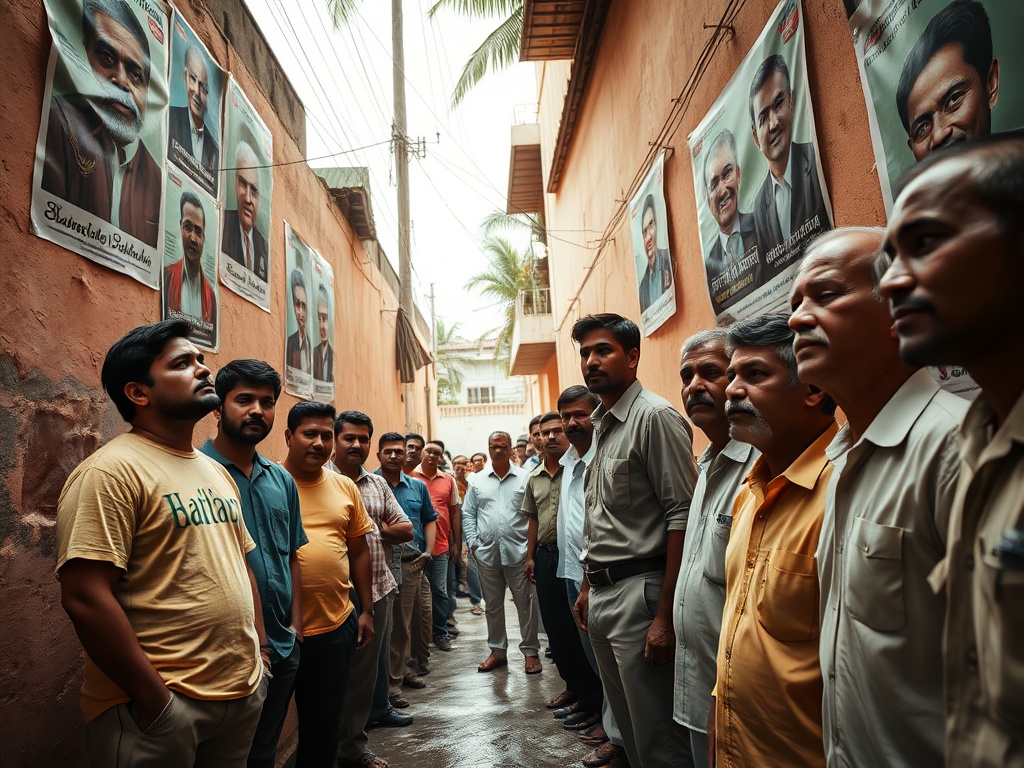
MDP's Internal Elections Divide: The Fight Over Who Gets on the Ballot
The conversation around political primaries in the Maldives has moved from procedural debate to existential question. Across social media platforms and private discussions, a consistent theme emerges: the demand for transparent, democratic processes within political parties isn't just about fairness—it's about survival.
When former President Mohamed Nasheed's faction split from the main opposition Maldivian Democratic Party to form The Democrats, the consequences were immediate and severe. That 7% breakaway vote didn't represent a new vision for the country but rather a personal grievance, effectively clearing the path for the ruling PNC/PPM coalition to secure power. The lesson wasn't lost on observers: internal party democracy matters because the stakes extend far beyond party headquarters.
The current debate centers on whether MDP should hold open primaries to select its future candidates, particularly for high-profile positions like the Male' mayoral race and ultimately the presidency. Critics argue that without genuine internal democracy, the party risks alienating its base and repeating past mistakes. The argument isn't merely procedural—it speaks to the very identity of a party that once championed democratic reforms.
What makes this moment particularly telling is the generational dimension. Younger voices express frustration with what they perceive as recycled leadership and political nostalgia. The call for "people like you" to run reflects a broader desire for fresh perspectives in a political landscape often dominated by familiar faces and established networks.
The mathematics of Maldivian politics adds urgency to these internal debates. In a system where small percentage shifts can determine electoral outcomes, how parties manage internal dissent and candidate selection becomes a matter of national consequence. The choice between backroom decisions and open primaries may well determine whether opposition forces can present a united front or remain divided against themselves.
As one observer noted, the test of any political party's commitment to democracy begins at home. How MDP navigates these internal challenges will not only shape its electoral prospects but also signal whether Maldivian politics is moving toward greater transparency or deeper entrenchment.
— Source fragments: Should there be one?? There's NO reason NOT to have a primary. MDP cannot 'choose' a candidate, without a primary that's free and fair for all; When Nasheed's faction split and formed The Democrats, they got 7%. A tiny number—but enough to crack the liberal vote; we need the youth, PPL LIKE U to run. #reform; Primary should be held, free and fair for all who qualify