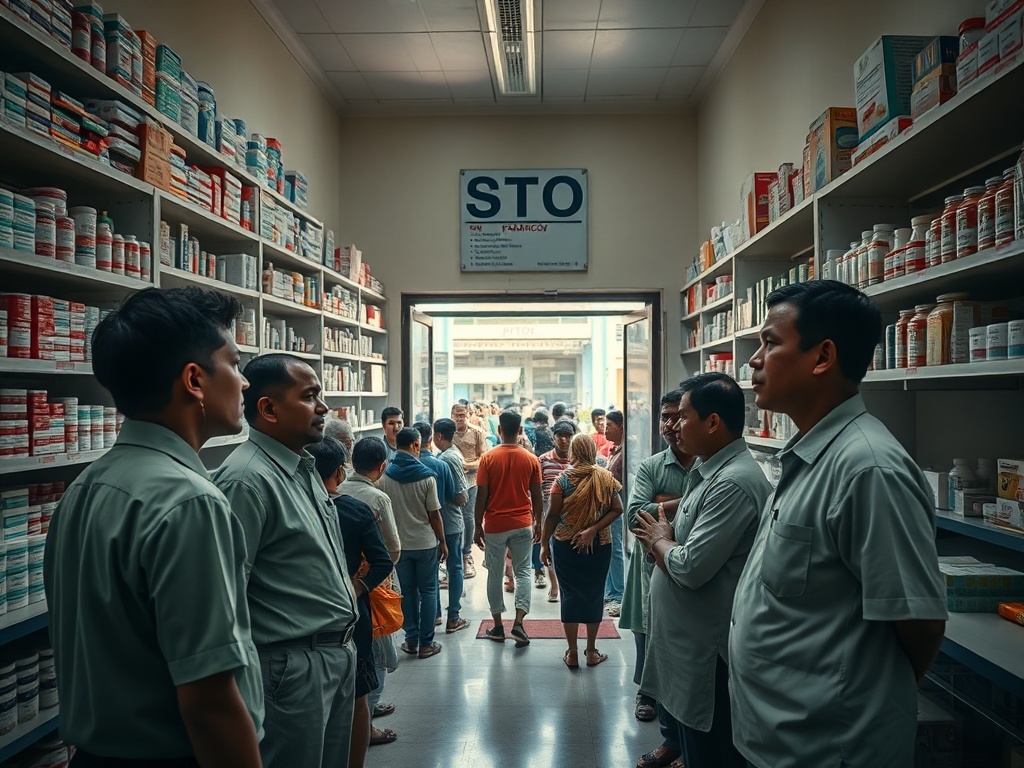
Medical mafia entrenched, making it hard for government to take away their business.
In the heart of Malé, the frustration is palpable. A citizen waits over an hour at STO just to fill a single prescription, watching younger pharmacists glance nervously at their seniors for direction. This isn't just a story of delay; it's a symptom of a system tangled in its own red tape and shadowy interests. The 'medical mafia,' as people call it, holds the nation's health hostage by locking down exclusive distribution rights for popular drug brands. When the government attempts to pivot toward generic alternatives to ease the public's burden, these entrenched players tighten their grip.
Why does this persist in a country that prides itself on community and care? The answer lies in the intersection of commerce and a bloated state apparatus. One voice points out that 'every govt will want to do things right and take credit, but with big bureaucracy it isn't possible.' The desire for reform is there, but the machine is too heavy, too layered with political appointments and inefficiency. It's not merely about trimming the top; it's about untangling a web where business interests and governance have become dangerously intertwined.
This isn't an isolated issue. It mirrors the broader Maldivian dilemma—a small nation grappling with global pharmaceutical giants who have little incentive to cater to our market. The government's hands are tied, not just by external forces, but by internal paralysis. The same bureaucracy that slows medicine procurement is reflected in other sectors, from housing crises to youth unemployment, where quick fixes are promised but systemic change remains elusive.
The public's patience wears thin. On social media, sarcastic remarks like 'Cry more' mask a deeper disillusionment. When opposition protests are funded and even ruling party members secretly wish for more action, it signals a crisis of faith. People are standing up, quite literally, as noted in one observation about protests where 'most didn't have chairs or tables.' They are tired of waiting for a system that seems designed to resist their needs.
What is the way forward? It requires more than just swapping brand names for generics. It demands a courageous overhaul of how business and politics interact in the Maldives. Until then, the medicine shortage will remain a stark reminder of who truly holds power—not the people, and not always the government, but those who profit from the status quo.