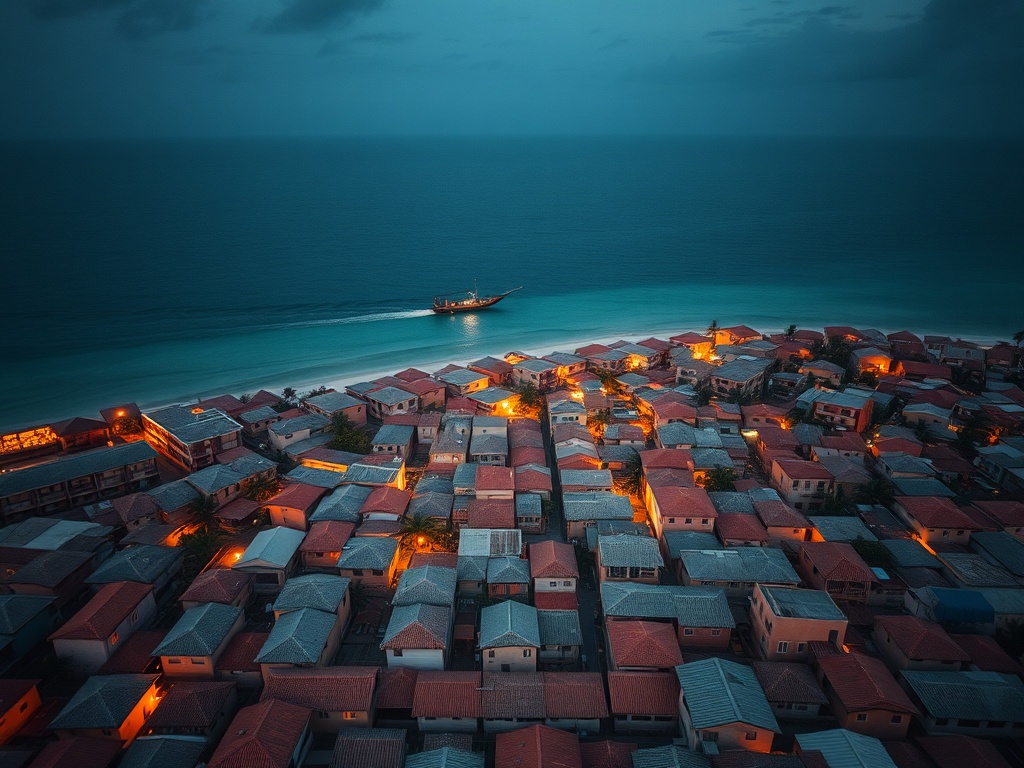
Messages Like Scattered Shells After High Tide
The messages come like scattered shells after high tide, each carrying a piece of our collective frustration. 'MDP is all about corruption and laadheeny now,' someone writes, recalling when the party stood against injustice. Another speaks of 'excessive corruption' rooted in unlimited presidential power—pardoning tax evaders, appointing commissions, the familiar cycle that leaves us wondering who truly serves the people.
In the capital, where concrete buildings rise like coral formations, housing becomes political currency. Subsidized flats meant for locals are subleased by those living abroad, while here in Malé, we navigate crowded streets and the quiet understanding that some things will never change. 'Any Male' supremacist will block you when you go against the establishment,' another voice observes, whether MDP or PNC—the colors change but the walls remain.
They talk about constitutional reforms—two-tier systems, parliamentary members per atoll—as if changing structures could mend what's broken between us. But the discrimination in land laws, the xenophobia we acknowledge with reluctant honesty, these are wounds no system can heal alone.
Meanwhile, the world beyond our shores echoes with conflicts we watch from our screens. Voices speak of distant lands and peoples fighting for the freedom to live as they once did, to move without fear. Their struggles reflect our own in distorted mirrors—the same human yearning for dignity, for belonging, for control over one's own story.
Here, where the sea meets the land in endless negotiation, we understand something about boundaries and belonging. The expatriates who come seeking work, the youth who leave seeking opportunity, the politicians who promise everything—we are all caught in the same current, trying to find what's authentic beneath the surface.
The dog whistles and platters served to those we despise, the certainty that 'he will repeat these same mistakes'—these are not just political observations but the weary recognition of patterns we know too well. In a nation of scattered islands, we understand fragmentation, but we also understand that even separate atolls are connected by the same ocean.
Perhaps what we're really speaking of, in all these fragmented voices, is the search for something that hasn't been corrupted by power or diminished by self-interest. Something as fundamental as the coral that built these islands—patient, collective, and true to its nature.
— Source fragments: Major reason for excessive corruption is the unlimited power vested in the President; This is the reason why we need a two-tire system; Any Male' supremacist will block you when you go against the establishment; So true, MDP is all abt corruption and laadheeny now; Discrimination against land laws between states is unheard of in developed nations; If re-elected, he will repeat these same mistakes for sure